
MECHANICAL TUBE
Jump Links:
- Overview – Category Overview
- Applications – Common Applications
- Technical – Technical & Standards
- Industries – Industry Utilization
- Integration – System Integration
Overview
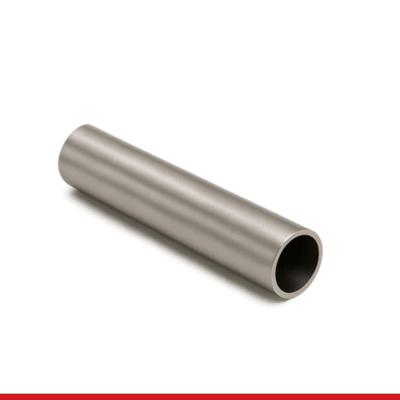
Stainless steel mechanical tubing is engineered for structural integrity, precision fabrication, and high mechanical performance. Unlike pipe, mechanical tube is dimensionally consistent and manufactured for strength, machinability, and load-bearing capacity.
Mechanical tube is used for frames, supports, machinery components, and assemblies requiring tight tolerances and superior surface finish. Its uniformity allows predictable forming, cutting, and welding behavior across engineered builds.
Fabricators rely on mechanical tubing for structural frameworks, conveyor systems, machinery guards, automotive components, and equipment support structures in demanding environments.
Hobbyists, makers, and robotics builders use stainless mechanical tube for custom rigs, CNC frames, test benches, robot chassis, home gym structures, model engineering, and durable DIY mechanical creations.
With excellent corrosion resistance, strength, and dimensional precision, stainless mechanical tubing is a preferred choice across industries where durability and fabrication flexibility matter.
Applications
Mechanical tubing is widely used for machine frames, support structures, equipment rails, and load-bearing assemblies that require repeatable performance under mechanical stress.
Robotics and automation systems utilize mechanical tubing for chassis frameworks, actuator mounts, precision guides, and kinetic structures capable of handling dynamic loads.
Automotive and motorsport fabricators use mechanical tube for roll cages, engine supports, exhaust components, and prototype mechanical systems.
Architectural and construction projects rely on mechanical tubing for railings, supports, decorative structures, and exposed frameworks requiring corrosion resistance and clean aesthetics.
Hobbyists use mechanical tube for lifting rigs, home workshop builds, custom stands, mechanical prototypes, and experimental mechanical assemblies.
Technical
Mechanical tubing is typically manufactured to ASTM A554 (welded stainless mechanical tubing) or ASTM A511 (seamless mechanical tubing), defining tolerances for shape, wall thickness, surface finish, and mechanical properties.
Welded mechanical tube provides excellent dimensional consistency for general fabrication, while seamless mechanical tube offers superior strength for high-load or pressure-sensitive applications.
Stainless grades 304/304L are common for structural and fabrication projects, while 316/316L is used in environments with high chloride exposure, marine applications, or chemical resistance requirements.
Mechanical tubing can be square, rectangular, or round depending on design requirements. Wall thickness options support both lightweight and heavy-duty structural applications.
Mechanical tube maintains predictable forming characteristics, allowing precision bending, laser cutting, notching, and TIG/MIG welding without unexpected deformation.
Refine Your Results
| Grade: | SS T304SS T304 |
| Size 1: | 5/8"5/8" |
| Gauge: | 16GA(.065)16GA(.065) |
| Finish: | MILL FINISHMILL FINISH |
- Log in for price
- 5/8" X 16GA(.065) SS T304 WELD RD TUBE IMPORT 20' 180 GRIT See Details
- FTT0625X16WM18G
- 0
| Grade: | SS T304SS T304 |
| Size 1: | 5/8"5/8" |
| Gauge: | 16GA(.065)16GA(.065) |
| Finish: | 180 GRIT180 GRIT |
- Log in for price
- 5/8" X 16GA(.065) SS T304 WELD RD TUBE IMPORT 20' 600 GRIT P/B MIRROR FINISH See Details
- FTT0625X16WM60G
- 0
| Grade: | SS T304SS T304 |
| Size 1: | 5/8"5/8" |
| Gauge: | 16GA(.065)16GA(.065) |
| Finish: | 600 GRIT P/B MIRROR FINISH600 GRIT P/B MIRROR FINISH |
- Log in for price
| Grade: | SS T304SS T304 |
| Size 1: | 5/8"5/8" |
| Gauge: | 18GA(.049)18GA(.049) |
| Finish: | MILL FINISHMILL FINISH |
- Log in for price
| Grade: | SS T304SS T304 |
| Size 1: | 5/8"5/8" |
| Gauge: | 20GA(.035)20GA(.035) |
| Finish: | MILL FINISHMILL FINISH |
- Log in for price
| Grade: | SS T304SS T304 |
| Size 1: | 7/8"7/8" |
| Gauge: | 16GA(.065)16GA(.065) |
| Finish: | MILL FINISHMILL FINISH |
- Log in for price
- 7/8" X 16GA(.065) SS T304 WELD RD TUBE IMPORT 20' 180 GRIT See Details
- FTT0875X16WM18G
- 0
| Grade: | SS T304SS T304 |
| Size 1: | 7/8"7/8" |
| Gauge: | 16GA(.065)16GA(.065) |
| Finish: | 180 GRIT180 GRIT |
- Log in for price
- 7/8" X 16GA(.065) SS T304 WELD RD TUBE IMPORT 20' 600 GRIT P/B MIRROR FINISH See Details
- FTT0875X16WM60G
- 0
| Grade: | SS T304SS T304 |
| Size 1: | 7/8"7/8" |
| Gauge: | 16GA(.065)16GA(.065) |
| Finish: | 600 GRIT P/B MIRROR FINISH600 GRIT P/B MIRROR FINISH |
- Log in for price
| Grade: | SS T304SS T304 |
| Size 1: | 7/8"7/8" |
| Gauge: | 18GA(.049)18GA(.049) |
| Finish: | MILL FINISHMILL FINISH |
- Log in for price
- 7/8" X 18GA(.049) SS T304 WELD RD TUBE IMPORT 20' 180 GRIT See Details
- FTT0875X18WM18G
- 0
| Grade: | SS T304SS T304 |
| Size 1: | 7/8"7/8" |
| Gauge: | 18GA(.049)18GA(.049) |
| Finish: | 180 GRIT180 GRIT |
- Log in for price
- 10" X 1"(1.00) SS T304/T304L SMLS RD TUBE MILL FINISH IMPORT 17'-24' RL See Details
- FTT10000X1000SN
- G
- 0
| Grade: | SS T304/T304LSS T304/T304L |
| Size 1: | 10"10" |
| Gauge: | 1"(1.00)1"(1.00) |
| Finish: | MILL FINISHMILL FINISH |
- Log in for price
- 10" X 1"(1.00) SS T316/T316L SMLS RD TUBE MILL FINISH IMPORT 17'-24' RL See Details
- FTT10000X1000SR
- G
- 0
| Grade: | SS T316/T316LSS T316/T316L |
| Size 1: | 10"10" |
| Gauge: | 1"(1.00)1"(1.00) |
| Finish: | MILL FINISHMILL FINISH |
- Log in for price
- 10" X 3/8"(.375) SS T304/T304L SMLS RD TUBE MILL FINISH IMPORT 17'-24' RL See Details
- FTT10000X375SN
- G
- 0
| Grade: | SS T304/T304LSS T304/T304L |
| Size 1: | 10"10" |
| Gauge: | 3/8"(.375)3/8"(.375) |
| Finish: | MILL FINISHMILL FINISH |
- Log in for price
- 10" X 1/2"(.500) SS T304/T304L SMLS RD TUBE MILL FINISH IMPORT 17'-24' RL See Details
- FTT10000X500SN
- G
- 0
| Grade: | SS T304/T304LSS T304/T304L |
| Size 1: | 10"10" |
| Gauge: | 1/2"(.500)1/2"(.500) |
| Finish: | MILL FINISHMILL FINISH |
- Log in for price
- 10" X 1/2"(.500) SS T316/T316L SMLS RD TUBE MILL FINISH IMPORT 17'-24' RL See Details
- FTT10000X500SR
- G
- 0
| Grade: | SS T316/T316LSS T316/T316L |
| Size 1: | 10"10" |
| Gauge: | 1/2"(.500)1/2"(.500) |
| Finish: | MILL FINISHMILL FINISH |
- Log in for price
- 10" X 3/4"(.750) SS T304/T304L SMLS RD TUBE MILL FINISH IMPORT 17'-24' RL See Details
- FTT10000X750SN
- G
- 0
| Grade: | SS T304/T304LSS T304/T304L |
| Size 1: | 10"10" |
| Gauge: | 3/4"(.750)3/4"(.750) |
| Finish: | MILL FINISHMILL FINISH |
- Log in for price
- 10" X 3/4"(.750) SS T316/T316L SMLS RD TUBE MILL FINISH IMPORT 17'-24' RL See Details
- FTT10000X750SR
- G
- 0
| Grade: | SS T316/T316LSS T316/T316L |
| Size 1: | 10"10" |
| Gauge: | 3/4"(.750)3/4"(.750) |
| Finish: | MILL FINISHMILL FINISH |
- Log in for price
- 1" X 20GA(.035) HASTELLOY C-276 SMLS RD TUBE MILL FINISH IMPORT 17'-24' RL See Details
- FTT1000X035SZAY
- G
- 0
| Grade: | HASTELLOY C-276HASTELLOY C-276 |
| Size 1: | 1"1" |
| Gauge: | 20GA(.035)20GA(.035) |
| Finish: | MILL FINISHMILL FINISH |
- Log in for price
- 1" X 3/16"(.188) SS T304/T304L SMLS RD TUBE MILL FINISH IMPORT 17'-24' RL See Details
- FTT1000X188SN
- G
- 0
| Grade: | SS T304/T304LSS T304/T304L |
| Size 1: | 1"1" |
| Gauge: | 3/16"(.188)3/16"(.188) |
| Finish: | MILL FINISHMILL FINISH |
- Log in for price
- 1" X 3/16"(.188) SS T316/T316L SMLS RD TUBE MILL FINISH IMPORT 17'-24' RL See Details
- FTT1000X188SR
- G
- 0
| Grade: | SS T316/T316LSS T316/T316L |
| Size 1: | 1"1" |
| Gauge: | 3/16"(.188)3/16"(.188) |
| Finish: | MILL FINISHMILL FINISH |
- Log in for price
- 1" X 1/4"(.250) SS T304/T304L SMLS RD TUBE MILL FINISH IMPORT 17'-24' RL See Details
- FTT1000X250SN
- G
- 0
| Grade: | SS T304/T304LSS T304/T304L |
| Size 1: | 1"1" |
| Gauge: | 1/4"(.250)1/4"(.250) |
| Finish: | MILL FINISHMILL FINISH |
- Log in for price
- 1" X 1/4"(.250) SS T316/T316L SMLS RD TUBE MILL FINISH IMPORT 17'-24' RL See Details
- FTT1000X250SR
- G
- 0
| Grade: | SS T316/T316LSS T316/T316L |
| Size 1: | 1"1" |
| Gauge: | 1/4"(.250)1/4"(.250) |
| Finish: | MILL FINISHMILL FINISH |
- Log in for price
- 1-1/8" X 3/16"(.188) SS T304/T304L SMLS RD TUBE MILL FINISH IMPORT 17'-24' RL See Details
- FTT1125X188SN
- G
- 0
| Grade: | SS T304/T304LSS T304/T304L |
| Size 1: | 1-1/8"1-1/8" |
| Gauge: | 3/16"(.188)3/16"(.188) |
| Finish: | MILL FINISHMILL FINISH |
- Log in for price
- 1-1/8" X 3/16"(.188) SS T316/T316L SMLS RD TUBE MILL FINISH IMPORT 17'-24' RL See Details
- FTT1125X188SR
- G
- 0
| Grade: | SS T316/T316LSS T316/T316L |
| Size 1: | 1-1/8"1-1/8" |
| Gauge: | 3/16"(.188)3/16"(.188) |
| Finish: | MILL FINISHMILL FINISH |
- Log in for price
| Grade: | SS T304SS T304 |
| Size 1: | 1-1/8"1-1/8" |
| Gauge: | 18GA(.049)18GA(.049) |
| Finish: | MILL FINISHMILL FINISH |
- Log in for price
- 1-1/8" X 1/4"(.250) SS T304/T304L SMLS RD TUBE MILL FINISH IMPORT 17'-24' RL See Details
- FTT1125X250SN
- G
- 0
| Grade: | SS T304/T304LSS T304/T304L |
| Size 1: | 1-1/8"1-1/8" |
| Gauge: | 1/4"(.250)1/4"(.250) |
| Finish: | MILL FINISHMILL FINISH |
- Log in for price
- 1-1/8" X 1/4"(.250) SS T316/T316L SMLS RD TUBE MILL FINISH IMPORT 17'-24' RL See Details
- FTT1125X250SR
- G
- 0
| Grade: | SS T316/T316LSS T316/T316L |
| Size 1: | 1-1/8"1-1/8" |
| Gauge: | 1/4"(.250)1/4"(.250) |
| Finish: | MILL FINISHMILL FINISH |
- Log in for price
- 1-1/4" X 3/16"(.188) SS T304/T304L SMLS RD TUBE MILL FINISH IMPORT 17'-24' RL See Details
- FTT1250X188SN
- G
- 0
| Grade: | SS T304/T304LSS T304/T304L |
| Size 1: | 1-1/4"1-1/4" |
| Gauge: | 3/16"(.188)3/16"(.188) |
| Finish: | MILL FINISHMILL FINISH |
- Log in for price
- 1-1/4" X 3/16"(.188) SS T316/T316L SMLS RD TUBE MILL FINISH IMPORT 17'-24' RL See Details
- FTT1250X188SR
- G
- 0
| Grade: | SS T316/T316LSS T316/T316L |
| Size 1: | 1-1/4"1-1/4" |
| Gauge: | 3/16"(.188)3/16"(.188) |
| Finish: | MILL FINISHMILL FINISH |
- Log in for price
- 1-1/4" X 1/4"(.250) SS T304/T304L SMLS RD TUBE MILL FINISH IMPORT 17'-24' RL See Details
- FTT1250X250SN
- G
- 0
| Grade: | SS T304/T304LSS T304/T304L |
| Size 1: | 1-1/4"1-1/4" |
| Gauge: | 1/4"(.250)1/4"(.250) |
| Finish: | MILL FINISHMILL FINISH |
- Log in for price
- 1-1/4" X 1/4"(.250) SS T316/T316L SMLS RD TUBE MILL FINISH IMPORT 17'-24' RL See Details
- FTT1250X250SR
- G
- 0
| Grade: | SS T316/T316LSS T316/T316L |
| Size 1: | 1-1/4"1-1/4" |
| Gauge: | 1/4"(.250)1/4"(.250) |
| Finish: | MILL FINISHMILL FINISH |
- Log in for price
- 1-1/4" X 3/8"(.375) SS T304/T304L SMLS RD TUBE MILL FINISH IMPORT 17'-24' RL See Details
- FTT1250X375SN
- G
- 0
| Grade: | SS T304/T304LSS T304/T304L |
| Size 1: | 1-1/4"1-1/4" |
| Gauge: | 3/8"(.375)3/8"(.375) |
| Finish: | MILL FINISHMILL FINISH |
- Log in for price
- 1-1/4" X 3/8"(.375) SS T316/T316L SMLS RD TUBE MILL FINISH IMPORT 17'-24' RL See Details
- FTT1250X375SR
- G
- 0
| Grade: | SS T316/T316LSS T316/T316L |
| Size 1: | 1-1/4"1-1/4" |
| Gauge: | 3/8"(.375)3/8"(.375) |
| Finish: | MILL FINISHMILL FINISH |
- Log in for price
| Grade: | SS T304SS T304 |
| Size 1: | 1-3/8"1-3/8" |
| Gauge: | 16GA(.065)16GA(.065) |
| Finish: | MILL FINISHMILL FINISH |
- Log in for price
- 1-3/8" X 16GA(.065) SS T304 WELD RD TUBE IMPORT 20' 180 GRIT See Details
- FTT1375X16WM18G
- 0
| Grade: | SS T304SS T304 |
| Size 1: | 1-3/8"1-3/8" |
| Gauge: | 16GA(.065)16GA(.065) |
| Finish: | 180 GRIT180 GRIT |
- Log in for price
- 1-3/8" X 3/16"(.188) SS T304/T304L SMLS RD TUBE MILL FINISH IMPORT 17'-24' RL See Details
- FTT1375X188SN
- G
- 0
| Grade: | SS T304/T304LSS T304/T304L |
| Size 1: | 1-3/8"1-3/8" |
| Gauge: | 3/16"(.188)3/16"(.188) |
| Finish: | MILL FINISHMILL FINISH |
- Log in for price
- 1-3/8" X 3/16"(.188) SS T316/T316L SMLS RD TUBE MILL FINISH IMPORT 17'-24' RL See Details
- FTT1375X188SR
- G
- 0
| Grade: | SS T316/T316LSS T316/T316L |
| Size 1: | 1-3/8"1-3/8" |
| Gauge: | 3/16"(.188)3/16"(.188) |
| Finish: | MILL FINISHMILL FINISH |
- Log in for price
- 1-3/8" X 1/4"(.250) SS T304/T304L SMLS RD TUBE MILL FINISH IMPORT 17'-24' RL See Details
- FTT1375X250SN
- G
- 0
| Grade: | SS T304/T304LSS T304/T304L |
| Size 1: | 1-3/8"1-3/8" |
| Gauge: | 1/4"(.250)1/4"(.250) |
| Finish: | MILL FINISHMILL FINISH |
- Log in for price
- 1-3/8" X 1/4"(.250) SS T316/T316L SMLS RD TUBE MILL FINISH IMPORT 17'-24' RL See Details
- FTT1375X250SR
- G
- 0
| Grade: | SS T316/T316LSS T316/T316L |
| Size 1: | 1-3/8"1-3/8" |
| Gauge: | 1/4"(.250)1/4"(.250) |
| Finish: | MILL FINISHMILL FINISH |
- Log in for price
- 1-3/8" X 3/8"(.375) SS T304/T304L SMLS RD TUBE MILL FINISH IMPORT 17'-24' RL See Details
- FTT1375X375SN
- G
- 0
| Grade: | SS T304/T304LSS T304/T304L |
| Size 1: | 1-3/8"1-3/8" |
| Gauge: | 3/8"(.375)3/8"(.375) |
| Finish: | MILL FINISHMILL FINISH |
- Log in for price
- 1-3/8" X 3/8"(.375) SS T316/T316L SMLS RD TUBE MILL FINISH IMPORT 17'-24' RL See Details
- FTT1375X375SR
- G
- 0
| Grade: | SS T316/T316LSS T316/T316L |
| Size 1: | 1-3/8"1-3/8" |
| Gauge: | 3/8"(.375)3/8"(.375) |
| Finish: | MILL FINISHMILL FINISH |
- Log in for price
- 1-1/2" X 16GA(.065) SS T316/T316L SMLS RD TUBE MILL FINISH IMPORT 17'-24' RL See Details
- FTT1500X065SR
- G
- 0
| Grade: | SS T316/T316LSS T316/T316L |
| Size 1: | 1-1/2"1-1/2" |
| Gauge: | 16GA(.065)16GA(.065) |
| Finish: | MILL FINISHMILL FINISH |
- Log in for price
- 1-1/2" X 3/16"(.188) SS T304/T304L SMLS RD TUBE MILL FINISH IMPORT 17'-24' RL See Details
- FTT1500X188SN
- G
- 0
| Grade: | SS T304/T304LSS T304/T304L |
| Size 1: | 1-1/2"1-1/2" |
| Gauge: | 3/16"(.188)3/16"(.188) |
| Finish: | MILL FINISHMILL FINISH |
- Log in for price
- 1-1/2" X 3/16"(.188) SS T316/T316L SMLS RD TUBE MILL FINISH IMPORT 17'-24' RL See Details
- FTT1500X188SR
- G
- 0
| Grade: | SS T316/T316LSS T316/T316L |
| Size 1: | 1-1/2"1-1/2" |
| Gauge: | 3/16"(.188)3/16"(.188) |
| Finish: | MILL FINISHMILL FINISH |
- Log in for price
- 1-1/2" X 1/4"(.250) SS T304/T304L SMLS RD TUBE MILL FINISH IMPORT 17'-24' RL See Details
- FTT1500X250SN
- C
- 0
| Grade: | SS T304/T304LSS T304/T304L |
| Size 1: | 1-1/2"1-1/2" |
| Gauge: | 1/4"(.250)1/4"(.250) |
| Finish: | MILL FINISHMILL FINISH |
- Log in for price
- 1-1/2" X 1/4"(.250) SS T316/T316L SMLS RD TUBE MILL FINISH IMPORT 17'-24' RL See Details
- FTT1500X250SR
- G
- 0
| Grade: | SS T316/T316LSS T316/T316L |
| Size 1: | 1-1/2"1-1/2" |
| Gauge: | 1/4"(.250)1/4"(.250) |
| Finish: | MILL FINISHMILL FINISH |
- Log in for price
- 1-1/2" X 3/8"(.375) SS T304/T304L SMLS RD TUBE MILL FINISH IMPORT 17'-24' RL See Details
- FTT1500X375SN
- G
- 0
| Grade: | SS T304/T304LSS T304/T304L |
| Size 1: | 1-1/2"1-1/2" |
| Gauge: | 3/8"(.375)3/8"(.375) |
| Finish: | MILL FINISHMILL FINISH |
- Log in for price
- 1-1/2" X 3/8"(.375) SS T316/T316L SMLS RD TUBE MILL FINISH IMPORT 17'-24' RL See Details
- FTT1500X375SR
- G
- 0
| Grade: | SS T316/T316LSS T316/T316L |
| Size 1: | 1-1/2"1-1/2" |
| Gauge: | 3/8"(.375)3/8"(.375) |
| Finish: | MILL FINISHMILL FINISH |
- Log in for price
| Grade: | SS T304SS T304 |
| Size 1: | 1-5/8"1-5/8" |
| Gauge: | 11GA(.120)11GA(.120) |
| Finish: | MILL FINISHMILL FINISH |
- Log in for price
| Grade: | SS T304SS T304 |
| Size 1: | 1-5/8"1-5/8" |
| Gauge: | 16GA(.065)16GA(.065) |
| Finish: | MILL FINISHMILL FINISH |
- Log in for price
- 1-5/8" X 16GA(.065) SS T304 WELD RD TUBE IMPORT 20' 180 GRIT See Details
- FTT1625X16WM18G
- 0
| Grade: | SS T304SS T304 |
| Size 1: | 1-5/8"1-5/8" |
| Gauge: | 16GA(.065)16GA(.065) |
| Finish: | 180 GRIT180 GRIT |
- Log in for price
- 1-5/8" X 16GA(.065) SS T304 WELD RD TUBE IMPORT 20' 600 GRIT P/B MIRROR FINISH See Details
- FTT1625X16WM60G
- 0
| Grade: | SS T304SS T304 |
| Size 1: | 1-5/8"1-5/8" |
| Gauge: | 16GA(.065)16GA(.065) |
| Finish: | 600 GRIT P/B MIRROR FINISH600 GRIT P/B MIRROR FINISH |
- Log in for price
- 1-5/8" X 3/16"(.188) SS T304/T304L SMLS RD TUBE MILL FINISH IMPORT 17'-24' RL See Details
- FTT1625X188SN
- G
- 0
| Grade: | SS T304/T304LSS T304/T304L |
| Size 1: | 1-5/8"1-5/8" |
| Gauge: | 3/16"(.188)3/16"(.188) |
| Finish: | MILL FINISHMILL FINISH |
- Log in for price
- 1-5/8" X 3/16"(.188) SS T316/T316L SMLS RD TUBE MILL FINISH IMPORT 17'-24' RL See Details
- FTT1625X188SR
- G
- 0
| Grade: | SS T316/T316LSS T316/T316L |
| Size 1: | 1-5/8"1-5/8" |
| Gauge: | 3/16"(.188)3/16"(.188) |
| Finish: | MILL FINISHMILL FINISH |
- Log in for price
| Grade: | SS T304SS T304 |
| Size 1: | 1-5/8"1-5/8" |
| Gauge: | 18GA(.049)18GA(.049) |
| Finish: | MILL FINISHMILL FINISH |
- Log in for price
- 1-5/8" X 18GA(.049) SS T304 WELD RD TUBE IMPORT 20' 180 GRIT See Details
- FTT1625X18WM18G
- 0
| Grade: | SS T304SS T304 |
| Size 1: | 1-5/8"1-5/8" |
| Gauge: | 18GA(.049)18GA(.049) |
| Finish: | 180 GRIT180 GRIT |
- Log in for price
- 1-5/8" X 1/4"(.250) SS T304/T304L SMLS RD TUBE MILL FINISH IMPORT 17'-24' RL See Details
- FTT1625X250SN
- G
- 0
| Grade: | SS T304/T304LSS T304/T304L |
| Size 1: | 1-5/8"1-5/8" |
| Gauge: | 1/4"(.250)1/4"(.250) |
| Finish: | MILL FINISHMILL FINISH |
- Log in for price
- 1-5/8" X 1/4"(.250) SS T316/T316L SMLS RD TUBE MILL FINISH IMPORT 17'-24' RL See Details
- FTT1625X250SR
- G
- 0
| Grade: | SS T316/T316LSS T316/T316L |
| Size 1: | 1-5/8"1-5/8" |
| Gauge: | 1/4"(.250)1/4"(.250) |
| Finish: | MILL FINISHMILL FINISH |
- Log in for price
- 1-5/8" X 3/8"(.375) SS T304/T304L SMLS RD TUBE MILL FINISH IMPORT 17'-24' RL See Details
- FTT1625X375SN
- G
- 0
| Grade: | SS T304/T304LSS T304/T304L |
| Size 1: | 1-5/8"1-5/8" |
| Gauge: | 3/8"(.375)3/8"(.375) |
| Finish: | MILL FINISHMILL FINISH |
- Log in for price
- 1-5/8" X 3/8"(.375) SS T316/T316L SMLS RD TUBE MILL FINISH IMPORT 17'-24' RL See Details
- FTT1625X375SR
- G
- 0
| Grade: | SS T316/T316LSS T316/T316L |
| Size 1: | 1-5/8"1-5/8" |
| Gauge: | 3/8"(.375)3/8"(.375) |
| Finish: | MILL FINISHMILL FINISH |
- Log in for price
| Grade: | SS T304SS T304 |
| Size 1: | 1-3/4"1-3/4" |
| Gauge: | 11GA(.120)11GA(.120) |
| Finish: | MILL FINISHMILL FINISH |
- Log in for price
- 1-3/4" X 11GA(.120) SS T304 WELD RD TUBE IMPORT 20' 180 GRIT See Details
- FTT1750X11WM18G
- 0
| Grade: | SS T304SS T304 |
| Size 1: | 1-3/4"1-3/4" |
| Gauge: | 11GA(.120)11GA(.120) |
| Finish: | 180 GRIT180 GRIT |
- Log in for price
- 1-3/4" X 11GA(.120) SS T304 WELD RD TUBE IMPORT 20' 600 GRIT P/B MIRROR FINISH See Details
- FTT1750X11WM60G
- 0
| Grade: | SS T304SS T304 |
| Size 1: | 1-3/4"1-3/4" |
| Gauge: | 11GA(.120)11GA(.120) |
| Finish: | 600 GRIT P/B MIRROR FINISH600 GRIT P/B MIRROR FINISH |
- Log in for price
| Grade: | SS T304SS T304 |
| Size 1: | 1-3/4"1-3/4" |
| Gauge: | 16GA(.065)16GA(.065) |
| Finish: | MILL FINISHMILL FINISH |
- Log in for price
- 1-3/4" X 16GA(.065) SS T304 WELD RD TUBE IMPORT 20' 180 GRIT See Details
- FTT1750X16WM18G
- 0
| Grade: | SS T304SS T304 |
| Size 1: | 1-3/4"1-3/4" |
| Gauge: | 16GA(.065)16GA(.065) |
| Finish: | 180 GRIT180 GRIT |
- Log in for price
- 1-3/4" X 16GA(.065) SS T304 WELD RD TUBE IMPORT 20' 600 GRIT P/B MIRROR FINISH See Details
- FTT1750X16WM60G
- 0
| Grade: | SS T304SS T304 |
| Size 1: | 1-3/4"1-3/4" |
| Gauge: | 16GA(.065)16GA(.065) |
| Finish: | 600 GRIT P/B MIRROR FINISH600 GRIT P/B MIRROR FINISH |
- Log in for price
- 1-3/4" X 3/16"(.188) SS T304/T304L SMLS RD TUBE MILL FINISH IMPORT 17'-24' RL See Details
- FTT1750X188SN
- G
- 0
| Grade: | SS T304/T304LSS T304/T304L |
| Size 1: | 1-3/4"1-3/4" |
| Gauge: | 3/16"(.188)3/16"(.188) |
| Finish: | MILL FINISHMILL FINISH |
- Log in for price
- 1-3/4" X 3/16"(.188) SS T316/T316L SMLS RD TUBE MILL FINISH IMPORT 17'-24' RL See Details
- FTT1750X188SR
- G
- 0
| Grade: | SS T316/T316LSS T316/T316L |
| Size 1: | 1-3/4"1-3/4" |
| Gauge: | 3/16"(.188)3/16"(.188) |
| Finish: | MILL FINISHMILL FINISH |
- Log in for price
- 1-3/4" X 1/4"(.250) SS T304/T304L SMLS RD TUBE MILL FINISH IMPORT 17'-24' RL See Details
- FTT1750X250SN
- G
- 0
| Grade: | SS T304/T304LSS T304/T304L |
| Size 1: | 1-3/4"1-3/4" |
| Gauge: | 1/4"(.250)1/4"(.250) |
| Finish: | MILL FINISHMILL FINISH |
- Log in for price
- 1-3/4" X 1/4"(.250) SS T316/T316L SMLS RD TUBE MILL FINISH IMPORT 17'-24' RL See Details
- FTT1750X250SR
- G
- 0
| Grade: | SS T316/T316LSS T316/T316L |
| Size 1: | 1-3/4"1-3/4" |
| Gauge: | 1/4"(.250)1/4"(.250) |
| Finish: | MILL FINISHMILL FINISH |
- Log in for price
- 1-3/4" X 3/8"(.375) SS T304/T304L SMLS RD TUBE MILL FINISH IMPORT 17'-24' RL See Details
- FTT1750X375SN
- G
- 0
| Grade: | SS T304/T304LSS T304/T304L |
| Size 1: | 1-3/4"1-3/4" |
| Gauge: | 3/8"(.375)3/8"(.375) |
| Finish: | MILL FINISHMILL FINISH |
- Log in for price
- 1-3/4" X 3/8"(.375) SS T316/T316L SMLS RD TUBE MILL FINISH IMPORT 17'-24' RL See Details
- FTT1750X375SR
- G
- 0
| Grade: | SS T316/T316LSS T316/T316L |
| Size 1: | 1-3/4"1-3/4" |
| Gauge: | 3/8"(.375)3/8"(.375) |
| Finish: | MILL FINISHMILL FINISH |
- Log in for price
| Grade: | SS T304SS T304 |
| Size 1: | 1-7/8"1-7/8" |
| Gauge: | 11GA(.120)11GA(.120) |
| Finish: | MILL FINISHMILL FINISH |
- Log in for price
- 1-7/8" X 11GA(.120) SS T304 WELD RD TUBE IMPORT 20' 180 GRIT See Details
- FTT1875X11WM18G
- 0
| Grade: | SS T304SS T304 |
| Size 1: | 1-7/8"1-7/8" |
| Gauge: | 11GA(.120)11GA(.120) |
| Finish: | 180 GRIT180 GRIT |
- Log in for price
| Grade: | SS T304SS T304 |
| Size 1: | 1-7/8"1-7/8" |
| Gauge: | 16GA(.065)16GA(.065) |
| Finish: | MILL FINISHMILL FINISH |
- Log in for price
- 1-7/8" X 16GA(.065) SS T304 WELD RD TUBE IMPORT 20' 180 GRIT See Details
- FTT1875X16WM18G
- 0
| Grade: | SS T304SS T304 |
| Size 1: | 1-7/8"1-7/8" |
| Gauge: | 16GA(.065)16GA(.065) |
| Finish: | 180 GRIT180 GRIT |
- Log in for price
- 1-7/8" X 16GA(.065) SS T304 WELD RD TUBE IMPORT 20' 600 GRIT P/B MIRROR FINISH See Details
- FTT1875X16WM60G
- 0
| Grade: | SS T304SS T304 |
| Size 1: | 1-7/8"1-7/8" |
| Gauge: | 16GA(.065)16GA(.065) |
| Finish: | 600 GRIT P/B MIRROR FINISH600 GRIT P/B MIRROR FINISH |
- Log in for price
- 1-7/8" X 3/16"(.188) SS T304/T304L SMLS RD TUBE MILL FINISH IMPORT 17'-24' RL See Details
- FTT1875X188SN
- G
- 0
| Grade: | SS T304/T304LSS T304/T304L |
| Size 1: | 1-7/8"1-7/8" |
| Gauge: | 3/16"(.188)3/16"(.188) |
| Finish: | MILL FINISHMILL FINISH |
- Log in for price
- 1-7/8" X 3/16"(.188) SS T316/T316L SMLS RD TUBE MILL FINISH IMPORT 17'-24' RL See Details
- FTT1875X188SR
- G
- 0
| Grade: | SS T316/T316LSS T316/T316L |
| Size 1: | 1-7/8"1-7/8" |
| Gauge: | 3/16"(.188)3/16"(.188) |
| Finish: | MILL FINISHMILL FINISH |
- Log in for price
- 1-7/8" X 1/4"(.250) SS T304/T304L SMLS RD TUBE MILL FINISH IMPORT 17'-24' RL See Details
- FTT1875X250SN
- G
- 0
| Grade: | SS T304/T304LSS T304/T304L |
| Size 1: | 1-7/8"1-7/8" |
| Gauge: | 1/4"(.250)1/4"(.250) |
| Finish: | MILL FINISHMILL FINISH |
- Log in for price
- 1-7/8" X 1/4"(.250) SS T316/T316L SMLS RD TUBE MILL FINISH IMPORT 17'-24' RL See Details
- FTT1875X250SR
- G
- 0
| Grade: | SS T316/T316LSS T316/T316L |
| Size 1: | 1-7/8"1-7/8" |
| Gauge: | 1/4"(.250)1/4"(.250) |
| Finish: | MILL FINISHMILL FINISH |
- Log in for price
- 1-7/8" X 3/8"(.375) SS T304/T304L SMLS RD TUBE MILL FINISH IMPORT 17'-24' RL See Details
- FTT1875X375SN
- G
- 0
| Grade: | SS T304/T304LSS T304/T304L |
| Size 1: | 1-7/8"1-7/8" |
| Gauge: | 3/8"(.375)3/8"(.375) |
| Finish: | MILL FINISHMILL FINISH |
- Log in for price
- 1-7/8" X 3/8"(.375) SS T316/T316L SMLS RD TUBE MILL FINISH IMPORT 17'-24' RL See Details
- FTT1875X375SR
- G
- 0
| Grade: | SS T316/T316LSS T316/T316L |
| Size 1: | 1-7/8"1-7/8" |
| Gauge: | 3/8"(.375)3/8"(.375) |
| Finish: | MILL FINISHMILL FINISH |
- Log in for price
- 2" X 3/16"(.188) SS T304/T304L SMLS RD TUBE MILL FINISH IMPORT 17'-24' RL See Details
- FTT2000X188SN
- G
- 0
| Grade: | SS T304/T304LSS T304/T304L |
| Size 1: | 2"2" |
| Gauge: | 3/16"(.188)3/16"(.188) |
| Finish: | MILL FINISHMILL FINISH |
- Log in for price
- 2" X 3/16"(.188) SS T316/T316L SMLS RD TUBE MILL FINISH IMPORT 17'-24' RL See Details
- FTT2000X188SR
- G
- 0
| Grade: | SS T316/T316LSS T316/T316L |
| Size 1: | 2"2" |
| Gauge: | 3/16"(.188)3/16"(.188) |
| Finish: | MILL FINISHMILL FINISH |
- Log in for price
- 2" X 1/4"(.250) SS T304/T304L SMLS RD TUBE MILL FINISH IMPORT 17'-24' RL See Details
- FTT2000X250SN
- G
- 0
| Grade: | SS T304/T304LSS T304/T304L |
| Size 1: | 2"2" |
| Gauge: | 1/4"(.250)1/4"(.250) |
| Finish: | MILL FINISHMILL FINISH |
- Log in for price
- 2" X 1/4"(.250) SS T316/T316L SMLS RD TUBE MILL FINISH IMPORT 17'-24' RL See Details
- FTT2000X250SR
- G
- 0
| Grade: | SS T316/T316LSS T316/T316L |
| Size 1: | 2"2" |
| Gauge: | 1/4"(.250)1/4"(.250) |
| Finish: | MILL FINISHMILL FINISH |
- Log in for price
- 2" X 3/8"(.375) SS T304/T304L SMLS RD TUBE MILL FINISH IMPORT 17'-24' RL See Details
- FTT2000X375SN
- G
- 0
| Grade: | SS T304/T304LSS T304/T304L |
| Size 1: | 2"2" |
| Gauge: | 3/8"(.375)3/8"(.375) |
| Finish: | MILL FINISHMILL FINISH |
- Log in for price
- 2" X 3/8"(.375) SS T316/T316L SMLS RD TUBE MILL FINISH IMPORT 17'-24' RL See Details
- FTT2000X375SR
- G
- 0
| Grade: | SS T316/T316LSS T316/T316L |
| Size 1: | 2"2" |
| Gauge: | 3/8"(.375)3/8"(.375) |
| Finish: | MILL FINISHMILL FINISH |
- Log in for price
- 2" X 1/2"(.500) SS T304/T304L SMLS RD TUBE MILL FINISH IMPORT 17'-24' RL See Details
- FTT2000X500SN
- G
- 0
| Grade: | SS T304/T304LSS T304/T304L |
| Size 1: | 2"2" |
| Gauge: | 1/2"(.500)1/2"(.500) |
| Finish: | MILL FINISHMILL FINISH |
- Log in for price
- 2" X 1/2"(.500) SS T316/T316L SMLS RD TUBE MILL FINISH IMPORT 17'-24' RL See Details
- FTT2000X500SR
- G
- 0
| Grade: | SS T316/T316LSS T316/T316L |
| Size 1: | 2"2" |
| Gauge: | 1/2"(.500)1/2"(.500) |
| Finish: | MILL FINISHMILL FINISH |
- Log in for price
- 2-1/8" X 3/16"(.188) SS T304/T304L SMLS RD TUBE MILL FINISH IMPORT 17'-24' RL See Details
- FTT2125X188SN
- G
- 0
| Grade: | SS T304/T304LSS T304/T304L |
| Size 1: | 2-1/8"2-1/8" |
| Gauge: | 3/16"(.188)3/16"(.188) |
| Finish: | MILL FINISHMILL FINISH |
- Log in for price
- 2-1/8" X 3/16"(.188) SS T316/T316L SMLS RD TUBE MILL FINISH IMPORT 17'-24' RL See Details
- FTT2125X188SR
- G
- 0
| Grade: | SS T316/T316LSS T316/T316L |
| Size 1: | 2-1/8"2-1/8" |
| Gauge: | 3/16"(.188)3/16"(.188) |
| Finish: | MILL FINISHMILL FINISH |
- Log in for price
- 2-1/8" X 1/4"(.250) SS T304/T304L SMLS RD TUBE MILL FINISH IMPORT 17'-24' RL See Details
- FTT2125X250SN
- G
- 0
| Grade: | SS T304/T304LSS T304/T304L |
| Size 1: | 2-1/8"2-1/8" |
| Gauge: | 1/4"(.250)1/4"(.250) |
| Finish: | MILL FINISHMILL FINISH |
- Log in for price
- 2-1/8" X 1/4"(.250) SS T316/T316L SMLS RD TUBE MILL FINISH IMPORT 17'-24' RL See Details
- FTT2125X250SR
- G
- 0
| Grade: | SS T316/T316LSS T316/T316L |
| Size 1: | 2-1/8"2-1/8" |
| Gauge: | 1/4"(.250)1/4"(.250) |
| Finish: | MILL FINISHMILL FINISH |
- Log in for price
- 2-1/8" X 3/8"(.375) SS T304/T304L SMLS RD TUBE MILL FINISH IMPORT 17'-24' RL See Details
- FTT2125X375SN
- G
- 0
| Grade: | SS T304/T304LSS T304/T304L |
| Size 1: | 2-1/8"2-1/8" |
| Gauge: | 3/8"(.375)3/8"(.375) |
| Finish: | MILL FINISHMILL FINISH |
- Log in for price
- 2-1/8" X 3/8"(.375) SS T316/T316L SMLS RD TUBE MILL FINISH IMPORT 17'-24' RL See Details
- FTT2125X375SR
- G
- 0
| Grade: | SS T316/T316LSS T316/T316L |
| Size 1: | 2-1/8"2-1/8" |
| Gauge: | 3/8"(.375)3/8"(.375) |
| Finish: | MILL FINISHMILL FINISH |
- Log in for price
- 2-1/8" X 1/2"(.500) SS T304/T304L SMLS RD TUBE MILL FINISH IMPORT 17'-24' RL See Details
- FTT2125X500SN
- G
- 0
| Grade: | SS T304/T304LSS T304/T304L |
| Size 1: | 2-1/8"2-1/8" |
| Gauge: | 1/2"(.500)1/2"(.500) |
| Finish: | MILL FINISHMILL FINISH |
- Log in for price
- 2-1/8" X 1/2"(.500) SS T316/T316L SMLS RD TUBE MILL FINISH IMPORT 17'-24' RL See Details
- FTT2125X500SR
- G
- 0
| Grade: | SS T316/T316LSS T316/T316L |
| Size 1: | 2-1/8"2-1/8" |
| Gauge: | 1/2"(.500)1/2"(.500) |
| Finish: | MILL FINISHMILL FINISH |
- Log in for price
| Grade: | SS T304SS T304 |
| Size 1: | 2-1/4"2-1/4" |
| Gauge: | 16GA(.065)16GA(.065) |
| Finish: | MILL FINISHMILL FINISH |
- Log in for price
- 2-1/4" X 3/16"(.188) SS T304/T304L SMLS RD TUBE MILL FINISH IMPORT 17'-24' RL See Details
- FTT2250X188SN
- G
- 0
| Grade: | SS T304/T304LSS T304/T304L |
| Size 1: | 2-1/4"2-1/4" |
| Gauge: | 3/16"(.188)3/16"(.188) |
| Finish: | MILL FINISHMILL FINISH |
- Log in for price
- 2-1/4" X 3/16"(.188) SS T316/T316L SMLS RD TUBE MILL FINISH IMPORT 17'-24' RL See Details
- FTT2250X188SR
- G
- 0
| Grade: | SS T316/T316LSS T316/T316L |
| Size 1: | 2-1/4"2-1/4" |
| Gauge: | 3/16"(.188)3/16"(.188) |
| Finish: | MILL FINISHMILL FINISH |
- Log in for price
- 2-1/4" X 1/4"(.250) SS T304/T304L SMLS RD TUBE MILL FINISH IMPORT 17'-24' RL See Details
- FTT2250X250SN
- G
- 0
| Grade: | SS T304/T304LSS T304/T304L |
| Size 1: | 2-1/4"2-1/4" |
| Gauge: | 1/4"(.250)1/4"(.250) |
| Finish: | MILL FINISHMILL FINISH |
- Log in for price
- 2-1/4" X 1/4"(.250) SS T316/T316L SMLS RD TUBE MILL FINISH IMPORT 17'-24' RL See Details
- FTT2250X250SR
- G
- 0
| Grade: | SS T316/T316LSS T316/T316L |
| Size 1: | 2-1/4"2-1/4" |
| Gauge: | 1/4"(.250)1/4"(.250) |
| Finish: | MILL FINISHMILL FINISH |
- Log in for price
- 2-1/4" X 3/8"(.375) SS T304/T304L SMLS RD TUBE MILL FINISH IMPORT 17'-24' RL See Details
- FTT2250X375SN
- G
- 0
| Grade: | SS T304/T304LSS T304/T304L |
| Size 1: | 2-1/4"2-1/4" |
| Gauge: | 3/8"(.375)3/8"(.375) |
| Finish: | MILL FINISHMILL FINISH |
- Log in for price
- 2-1/4" X 3/8"(.375) SS T316/T316L SMLS RD TUBE MILL FINISH IMPORT 17'-24' RL See Details
- FTT2250X375SR
- G
- 0
| Grade: | SS T316/T316LSS T316/T316L |
| Size 1: | 2-1/4"2-1/4" |
| Gauge: | 3/8"(.375)3/8"(.375) |
| Finish: | MILL FINISHMILL FINISH |
- Log in for price
- 2-1/4" X 1/2"(.500) SS T304/T304L SMLS RD TUBE MILL FINISH IMPORT 17'-24' RL See Details
- FTT2250X500SN
- G
- 0
| Grade: | SS T304/T304LSS T304/T304L |
| Size 1: | 2-1/4"2-1/4" |
| Gauge: | 1/2"(.500)1/2"(.500) |
| Finish: | MILL FINISHMILL FINISH |
- Log in for price
- 2-1/4" X 1/2"(.500) SS T316/T316L SMLS RD TUBE MILL FINISH IMPORT 17'-24' RL See Details
- FTT2250X500SR
- G
- 0
| Grade: | SS T316/T316LSS T316/T316L |
| Size 1: | 2-1/4"2-1/4" |
| Gauge: | 1/2"(.500)1/2"(.500) |
| Finish: | MILL FINISHMILL FINISH |
- Log in for price
- 2-1/2" X 3/16"(.188) SS T304/T304L SMLS RD TUBE MILL FINISH IMPORT 17'-24' RL See Details
- FTT2500X188SN
- G
- 0
| Grade: | SS T304/T304LSS T304/T304L |
| Size 1: | 2-1/2"2-1/2" |
| Gauge: | 3/16"(.188)3/16"(.188) |
| Finish: | MILL FINISHMILL FINISH |
- Log in for price
- 2-1/2" X 3/16"(.188) SS T316/T316L SMLS RD TUBE MILL FINISH IMPORT 17'-24' RL See Details
- FTT2500X188SR
- G
- 0
| Grade: | SS T316/T316LSS T316/T316L |
| Size 1: | 2-1/2"2-1/2" |
| Gauge: | 3/16"(.188)3/16"(.188) |
| Finish: | MILL FINISHMILL FINISH |
- Log in for price
- 2-1/2" X 1/4"(.250) SS T304/T304L SMLS RD TUBE MILL FINISH IMPORT 17'-24' RL See Details
- FTT2500X250SN
- G
- 0
| Grade: | SS T304/T304LSS T304/T304L |
| Size 1: | 2-1/2"2-1/2" |
| Gauge: | 1/4"(.250)1/4"(.250) |
| Finish: | MILL FINISHMILL FINISH |
- Log in for price
- 2-1/2" X 1/4"(.250) SS T316/T316L SMLS RD TUBE MILL FINISH IMPORT 17'-24' RL See Details
- FTT2500X250SR
- G
- 0
| Grade: | SS T316/T316LSS T316/T316L |
| Size 1: | 2-1/2"2-1/2" |
| Gauge: | 1/4"(.250)1/4"(.250) |
| Finish: | MILL FINISHMILL FINISH |
- Log in for price
- 2-1/2" X 3/8"(.375) SS T304/T304L SMLS RD TUBE MILL FINISH IMPORT 17'-24' RL See Details
- FTT2500X375SN
- G
- 0
| Grade: | SS T304/T304LSS T304/T304L |
| Size 1: | 2-1/2"2-1/2" |
| Gauge: | 3/8"(.375)3/8"(.375) |
| Finish: | MILL FINISHMILL FINISH |
- Log in for price
- 2-1/2" X 3/8"(.375) SS T316/T316L SMLS RD TUBE MILL FINISH IMPORT 17'-24' RL See Details
- FTT2500X375SR
- G
- 0
| Grade: | SS T316/T316LSS T316/T316L |
| Size 1: | 2-1/2"2-1/2" |
| Gauge: | 3/8"(.375)3/8"(.375) |
| Finish: | MILL FINISHMILL FINISH |
- Log in for price
- 2-1/2" X 1/2"(.500) SS T304/T304L SMLS RD TUBE MILL FINISH IMPORT 17'-24' RL See Details
- FTT2500X500SN
- G
- 0
| Grade: | SS T304/T304LSS T304/T304L |
| Size 1: | 2-1/2"2-1/2" |
| Gauge: | 1/2"(.500)1/2"(.500) |
| Finish: | MILL FINISHMILL FINISH |
- Log in for price
- 2-1/2" X 1/2"(.500) SS T316/T316L SMLS RD TUBE MILL FINISH IMPORT 17'-24' RL See Details
- FTT2500X500SR
- G
- 0
| Grade: | SS T316/T316LSS T316/T316L |
| Size 1: | 2-1/2"2-1/2" |
| Gauge: | 1/2"(.500)1/2"(.500) |
| Finish: | MILL FINISHMILL FINISH |
- Log in for price
- 2-1/2" X 5/8"(.625) SS T304/T304L SMLS RD TUBE MILL FINISH IMPORT 17'-24' RL See Details
- FTT2500X625SN
- G
- 0
| Grade: | SS T304/T304LSS T304/T304L |
| Size 1: | 2-1/2"2-1/2" |
| Gauge: | 5/8"(.625)5/8"(.625) |
| Finish: | MILL FINISHMILL FINISH |
- Log in for price
- 2-3/4" X 3/16"(.188) SS T304/T304L SMLS RD TUBE MILL FINISH IMPORT 17'-24' RL See Details
- FTT2750X188SN
- G
- 0
| Grade: | SS T304/T304LSS T304/T304L |
| Size 1: | 2-3/4"2-3/4" |
| Gauge: | 3/16"(.188)3/16"(.188) |
| Finish: | MILL FINISHMILL FINISH |
- Log in for price
- 2-3/4" X 3/16"(.188) SS T316/T316L SMLS RD TUBE MILL FINISH IMPORT 17'-24' RL See Details
- FTT2750X188SR
- G
- 0
| Grade: | SS T316/T316LSS T316/T316L |
| Size 1: | 2-3/4"2-3/4" |
| Gauge: | 3/16"(.188)3/16"(.188) |
| Finish: | MILL FINISHMILL FINISH |
- Log in for price
- 2-3/4" X 1/4"(.250) SS T304/T304L SMLS RD TUBE MILL FINISH IMPORT 17'-24' RL See Details
- FTT2750X250SN
- G
- 0
| Grade: | SS T304/T304LSS T304/T304L |
| Size 1: | 2-3/4"2-3/4" |
| Gauge: | 1/4"(.250)1/4"(.250) |
| Finish: | MILL FINISHMILL FINISH |
- Log in for price
- 2-3/4" X 1/4"(.250) SS T316/T316L SMLS RD TUBE MILL FINISH IMPORT 17'-24' RL See Details
- FTT2750X250SR
- G
- 0
| Grade: | SS T316/T316LSS T316/T316L |
| Size 1: | 2-3/4"2-3/4" |
| Gauge: | 1/4"(.250)1/4"(.250) |
| Finish: | MILL FINISHMILL FINISH |
- Log in for price
- 2-3/4" X 3/8"(.375) SS T304/T304L SMLS RD TUBE MILL FINISH IMPORT 17'-24' RL See Details
- FTT2750X375SN
- G
- 0
| Grade: | SS T304/T304LSS T304/T304L |
| Size 1: | 2-3/4"2-3/4" |
| Gauge: | 3/8"(.375)3/8"(.375) |
| Finish: | MILL FINISHMILL FINISH |
- Log in for price
- 2-3/4" X 3/8"(.375) SS T316/T316L SMLS RD TUBE MILL FINISH IMPORT 17'-24' RL See Details
- FTT2750X375SR
- G
- 0
| Grade: | SS T316/T316LSS T316/T316L |
| Size 1: | 2-3/4"2-3/4" |
| Gauge: | 3/8"(.375)3/8"(.375) |
| Finish: | MILL FINISHMILL FINISH |
- Log in for price
- 2-3/4" X 1/2"(.500) SS T304/T304L SMLS RD TUBE MILL FINISH IMPORT 17'-24' RL See Details
- FTT2750X500SN
- G
- 0
| Grade: | SS T304/T304LSS T304/T304L |
| Size 1: | 2-3/4"2-3/4" |
| Gauge: | 1/2"(.500)1/2"(.500) |
| Finish: | MILL FINISHMILL FINISH |
- Log in for price
- 2-3/4" X 1/2"(.500) SS T316/T316L SMLS RD TUBE MILL FINISH IMPORT 17'-24' RL See Details
- FTT2750X500SR
- G
- 0
| Grade: | SS T316/T316LSS T316/T316L |
| Size 1: | 2-3/4"2-3/4" |
| Gauge: | 1/2"(.500)1/2"(.500) |
| Finish: | MILL FINISHMILL FINISH |
- Log in for price
- 2-3/4" X 5/8"(.625) SS T304/T304L SMLS RD TUBE MILL FINISH IMPORT 17'-24' RL See Details
- FTT2750X625SN
- G
- 0
| Grade: | SS T304/T304LSS T304/T304L |
| Size 1: | 2-3/4"2-3/4" |
| Gauge: | 5/8"(.625)5/8"(.625) |
| Finish: | MILL FINISHMILL FINISH |
- Log in for price
- 2-3/4" X 5/8"(.625) SS T316/T316L SMLS RD TUBE MILL FINISH IMPORT 17'-24' RL See Details
- FTT2750X625SR
- G
- 0
| Grade: | SS T316/T316LSS T316/T316L |
| Size 1: | 2-3/4"2-3/4" |
| Gauge: | 5/8"(.625)5/8"(.625) |
| Finish: | MILL FINISHMILL FINISH |
- Log in for price
- 3" X 3/16"(.188) SS T304/T304L SMLS RD TUBE MILL FINISH IMPORT 17'-24' RL See Details
- FTT3000X188SN
- G
- 0
| Grade: | SS T304/T304LSS T304/T304L |
| Size 1: | 3"3" |
| Gauge: | 3/16"(.188)3/16"(.188) |
| Finish: | MILL FINISHMILL FINISH |
- Log in for price
- 3" X 3/16"(.188) SS T316/T316L SMLS RD TUBE MILL FINISH IMPORT 17'-24' RL See Details
- FTT3000X188SR
- G
- 0
| Grade: | SS T316/T316LSS T316/T316L |
| Size 1: | 3"3" |
| Gauge: | 3/16"(.188)3/16"(.188) |
| Finish: | MILL FINISHMILL FINISH |
- Log in for price
- 3" X 1/4"(.250) SS T304/T304L SMLS RD TUBE MILL FINISH IMPORT 17'-24' RL See Details
- FTT3000X250SN
- G
- 0
| Grade: | SS T304/T304LSS T304/T304L |
| Size 1: | 3"3" |
| Gauge: | 1/4"(.250)1/4"(.250) |
| Finish: | MILL FINISHMILL FINISH |
- Log in for price
- 3" X 1/4"(.250) SS T316/T316L SMLS RD TUBE MILL FINISH IMPORT 17'-24' RL See Details
- FTT3000X250SR
- G
- 0
| Grade: | SS T316/T316LSS T316/T316L |
| Size 1: | 3"3" |
| Gauge: | 1/4"(.250)1/4"(.250) |
| Finish: | MILL FINISHMILL FINISH |
- Log in for price
- 3" X 3/8"(.375) SS T304/T304L SMLS RD TUBE MILL FINISH IMPORT 17'-24' RL See Details
- FTT3000X375SN
- G
- 0
| Grade: | SS T304/T304LSS T304/T304L |
| Size 1: | 3"3" |
| Gauge: | 3/8"(.375)3/8"(.375) |
| Finish: | MILL FINISHMILL FINISH |
- Log in for price
- 3" X 3/8"(.375) SS T316/T316L SMLS RD TUBE MILL FINISH IMPORT 17'-24' RL See Details
- FTT3000X375SR
- G
- 0
| Grade: | SS T316/T316LSS T316/T316L |
| Size 1: | 3"3" |
| Gauge: | 3/8"(.375)3/8"(.375) |
| Finish: | MILL FINISHMILL FINISH |
- Log in for price
- 3" X 1/2"(.500) SS T304/T304L SMLS RD TUBE MILL FINISH IMPORT 17'-24' RL See Details
- FTT3000X500SN
- G
- 0
| Grade: | SS T304/T304LSS T304/T304L |
| Size 1: | 3"3" |
| Gauge: | 1/2"(.500)1/2"(.500) |
| Finish: | MILL FINISHMILL FINISH |
- Log in for price
- 3" X 1/2"(.500) SS T316/T316L SMLS RD TUBE MILL FINISH IMPORT 17'-24' RL See Details
- FTT3000X500SR
- G
- 0
| Grade: | SS T316/T316LSS T316/T316L |
| Size 1: | 3"3" |
| Gauge: | 1/2"(.500)1/2"(.500) |
| Finish: | MILL FINISHMILL FINISH |
- Log in for price
- 3" X 5/8"(.625) SS T304/T304L SMLS RD TUBE MILL FINISH IMPORT 17'-24' RL See Details
- FTT3000X625SN
- G
- 0
| Grade: | SS T304/T304LSS T304/T304L |
| Size 1: | 3"3" |
| Gauge: | 5/8"(.625)5/8"(.625) |
| Finish: | MILL FINISHMILL FINISH |
- Log in for price
- 3" X 5/8"(.625) SS T316/T316L SMLS RD TUBE MILL FINISH IMPORT 17'-24' RL See Details
- FTT3000X625SR
- G
- 0
| Grade: | SS T316/T316LSS T316/T316L |
| Size 1: | 3"3" |
| Gauge: | 5/8"(.625)5/8"(.625) |
| Finish: | MILL FINISHMILL FINISH |
- Log in for price
- 3" X 3/4"(.750) SS T304/T304L SMLS RD TUBE MILL FINISH IMPORT 17'-24' RL See Details
- FTT3000X750SN
- G
- 0
| Grade: | SS T304/T304LSS T304/T304L |
| Size 1: | 3"3" |
| Gauge: | 3/4"(.750)3/4"(.750) |
| Finish: | MILL FINISHMILL FINISH |
- Log in for price
- 3" X 3/4"(.750) SS T316/T316L SMLS RD TUBE MILL FINISH IMPORT 17'-24' RL See Details
- FTT3000X750SR
- G
- 0
| Grade: | SS T316/T316LSS T316/T316L |
| Size 1: | 3"3" |
| Gauge: | 3/4"(.750)3/4"(.750) |
| Finish: | MILL FINISHMILL FINISH |
- Log in for price
- 3-1/8" X 1/4"(.250) SS T304/T304L SMLS RD TUBE MILL FINISH IMPORT 17'-24' RL See Details
- FTT3125X250SN
- G
- 0
| Grade: | SS T304/T304LSS T304/T304L |
| Size 1: | 3-1/8"3-1/8" |
| Gauge: | 1/4"(.250)1/4"(.250) |
| Finish: | MILL FINISHMILL FINISH |
- Log in for price
- 3-1/8" X 1/4"(.250) SS T316/T316L SMLS RD TUBE MILL FINISH IMPORT 17'-24' RL See Details
- FTT3125X250SR
- G
- 0
| Grade: | SS T316/T316LSS T316/T316L |
| Size 1: | 3-1/8"3-1/8" |
| Gauge: | 1/4"(.250)1/4"(.250) |
| Finish: | MILL FINISHMILL FINISH |
- Log in for price
- 3-1/8" X 3/8"(.375) SS T304/T304L SMLS RD TUBE MILL FINISH IMPORT 17'-24' RL See Details
- FTT3125X375SN
- G
- 0
| Grade: | SS T304/T304LSS T304/T304L |
| Size 1: | 3-1/8"3-1/8" |
| Gauge: | 3/8"(.375)3/8"(.375) |
| Finish: | MILL FINISHMILL FINISH |
- Log in for price
- 3-1/8" X 3/8"(.375) SS T316/T316L SMLS RD TUBE MILL FINISH IMPORT 17'-24' RL See Details
- FTT3125X375SR
- G
- 0
| Grade: | SS T316/T316LSS T316/T316L |
| Size 1: | 3-1/8"3-1/8" |
| Gauge: | 3/8"(.375)3/8"(.375) |
| Finish: | MILL FINISHMILL FINISH |
- Log in for price
- 3-1/8" X 1/2"(.500) SS T304/T304L SMLS RD TUBE MILL FINISH IMPORT 17'-24' RL See Details
- FTT3125X500SN
- G
- 0
| Grade: | SS T304/T304LSS T304/T304L |
| Size 1: | 3-1/8"3-1/8" |
| Gauge: | 1/2"(.500)1/2"(.500) |
| Finish: | MILL FINISHMILL FINISH |
- Log in for price
- 3-1/8" X 1/2"(.500) SS T316/T316L SMLS RD TUBE MILL FINISH IMPORT 17'-24' RL See Details
- FTT3125X500SR
- G
- 0
| Grade: | SS T316/T316LSS T316/T316L |
| Size 1: | 3-1/8"3-1/8" |
| Gauge: | 1/2"(.500)1/2"(.500) |
| Finish: | MILL FINISHMILL FINISH |
- Log in for price
- 3-1/8" X 3/4"(.750) SS T304/T304L SMLS RD TUBE MILL FINISH IMPORT 17'-24' RL See Details
- FTT3125X750SN
- G
- 0
| Grade: | SS T304/T304LSS T304/T304L |
| Size 1: | 3-1/8"3-1/8" |
| Gauge: | 3/4"(.750)3/4"(.750) |
| Finish: | MILL FINISHMILL FINISH |
- Log in for price
- 3-1/8" X 3/4"(.750) SS T316/T316L SMLS RD TUBE MILL FINISH IMPORT 17'-24' RL See Details
- FTT3125X750SR
- G
- 0
| Grade: | SS T316/T316LSS T316/T316L |
| Size 1: | 3-1/8"3-1/8" |
| Gauge: | 3/4"(.750)3/4"(.750) |
| Finish: | MILL FINISHMILL FINISH |
- Log in for price
- 3-1/4" X 3/16"(.188) SS T304/T304L SMLS RD TUBE MILL FINISH IMPORT 17'-24' RL See Details
- FTT3250X188SN
- G
- 0
| Grade: | SS T304/T304LSS T304/T304L |
| Size 1: | 3-1/4"3-1/4" |
| Gauge: | 3/16"(.188)3/16"(.188) |
| Finish: | MILL FINISHMILL FINISH |
- Log in for price
- 3-1/4" X 3/16"(.188) SS T316/T316L SMLS RD TUBE MILL FINISH IMPORT 17'-24' RL See Details
- FTT3250X188SR
- G
- 0
| Grade: | SS T316/T316LSS T316/T316L |
| Size 1: | 3-1/4"3-1/4" |
| Gauge: | 3/16"(.188)3/16"(.188) |
| Finish: | MILL FINISHMILL FINISH |
- Log in for price
- 3-1/4" X 1/4"(.250) SS T304/T304L SMLS RD TUBE MILL FINISH IMPORT 17'-24' RL See Details
- FTT3250X250SN
- G
- 0
| Grade: | SS T304/T304LSS T304/T304L |
| Size 1: | 3-1/4"3-1/4" |
| Gauge: | 1/4"(.250)1/4"(.250) |
| Finish: | MILL FINISHMILL FINISH |
- Log in for price
- 3-1/4" X 1/4"(.250) SS T316/T316L SMLS RD TUBE MILL FINISH IMPORT 17'-24' RL See Details
- FTT3250X250SR
- G
- 0
| Grade: | SS T316/T316LSS T316/T316L |
| Size 1: | 3-1/4"3-1/4" |
| Gauge: | 1/4"(.250)1/4"(.250) |
| Finish: | MILL FINISHMILL FINISH |
- Log in for price
- 3-1/4" X 3/8"(.375) SS T304/T304L SMLS RD TUBE MILL FINISH IMPORT 17'-24' RL See Details
- FTT3250X375SN
- G
- 0
| Grade: | SS T304/T304LSS T304/T304L |
| Size 1: | 3-1/4"3-1/4" |
| Gauge: | 3/8"(.375)3/8"(.375) |
| Finish: | MILL FINISHMILL FINISH |
- Log in for price
- 3-1/4" X 3/8"(.375) SS T316/T316L SMLS RD TUBE MILL FINISH IMPORT 17'-24' RL See Details
- FTT3250X375SR
- G
- 0
| Grade: | SS T316/T316LSS T316/T316L |
| Size 1: | 3-1/4"3-1/4" |
| Gauge: | 3/8"(.375)3/8"(.375) |
| Finish: | MILL FINISHMILL FINISH |
- Log in for price
- 3-1/4" X 1/2"(.500) SS T304/T304L SMLS RD TUBE MILL FINISH IMPORT 17'-24' RL See Details
- FTT3250X500SN
- G
- 0
| Grade: | SS T304/T304LSS T304/T304L |
| Size 1: | 3-1/4"3-1/4" |
| Gauge: | 1/2"(.500)1/2"(.500) |
| Finish: | MILL FINISHMILL FINISH |
- Log in for price
- 3-1/4" X 1/2"(.500) SS T316/T316L SMLS RD TUBE MILL FINISH IMPORT 17'-24' RL See Details
- FTT3250X500SR
- G
- 0
| Grade: | SS T316/T316LSS T316/T316L |
| Size 1: | 3-1/4"3-1/4" |
| Gauge: | 1/2"(.500)1/2"(.500) |
| Finish: | MILL FINISHMILL FINISH |
- Log in for price
- 3-1/4" X 5/8"(.625) SS T304/T304L SMLS RD TUBE MILL FINISH IMPORT 17'-24' RL See Details
- FTT3250X625SN
- G
- 0
| Grade: | SS T304/T304LSS T304/T304L |
| Size 1: | 3-1/4"3-1/4" |
| Gauge: | 5/8"(.625)5/8"(.625) |
| Finish: | MILL FINISHMILL FINISH |
- Log in for price
- 3-1/4" X 3/4"(.750) SS T304/T304L SMLS RD TUBE MILL FINISH IMPORT 17'-24' RL See Details
- FTT3250X750SN
- G
- 0
| Grade: | SS T304/T304LSS T304/T304L |
| Size 1: | 3-1/4"3-1/4" |
| Gauge: | 3/4"(.750)3/4"(.750) |
| Finish: | MILL FINISHMILL FINISH |
- Log in for price
- 3-1/2" X 3/16"(.188) SS T304/T304L SMLS RD TUBE MILL FINISH IMPORT 17'-24' RL See Details
- FTT3500X188SN
- G
- 0
| Grade: | SS T304/T304LSS T304/T304L |
| Size 1: | 3-1/2"3-1/2" |
| Gauge: | 3/16"(.188)3/16"(.188) |
| Finish: | MILL FINISHMILL FINISH |
- Log in for price
- 3-1/2" X 3/16"(.188) SS T316/T316L SMLS RD TUBE MILL FINISH IMPORT 17'-24' RL See Details
- FTT3500X188SR
- G
- 0
| Grade: | SS T316/T316LSS T316/T316L |
| Size 1: | 3-1/2"3-1/2" |
| Gauge: | 3/16"(.188)3/16"(.188) |
| Finish: | MILL FINISHMILL FINISH |
- Log in for price
- 3-1/2" X 1/4"(.250) SS T304/T304L SMLS RD TUBE MILL FINISH IMPORT 17'-24' RL See Details
- FTT3500X250SN
- G
- 0
| Grade: | SS T304/T304LSS T304/T304L |
| Size 1: | 3-1/2"3-1/2" |
| Gauge: | 1/4"(.250)1/4"(.250) |
| Finish: | MILL FINISHMILL FINISH |
- Log in for price
- 3-1/2" X 1/4"(.250) SS T316/T316L SMLS RD TUBE MILL FINISH IMPORT 17'-24' RL See Details
- FTT3500X250SR
- G
- 0
| Grade: | SS T316/T316LSS T316/T316L |
| Size 1: | 3-1/2"3-1/2" |
| Gauge: | 1/4"(.250)1/4"(.250) |
| Finish: | MILL FINISHMILL FINISH |
- Log in for price
- 3-1/2" X 3/8"(.375) SS T304/T304L SMLS RD TUBE MILL FINISH IMPORT 17'-24' RL See Details
- FTT3500X375SN
- G
- 0
| Grade: | SS T304/T304LSS T304/T304L |
| Size 1: | 3-1/2"3-1/2" |
| Gauge: | 3/8"(.375)3/8"(.375) |
| Finish: | MILL FINISHMILL FINISH |
- Log in for price
- 3-1/2" X 3/8"(.375) SS T316/T316L SMLS RD TUBE MILL FINISH IMPORT 17'-24' RL See Details
- FTT3500X375SR
- G
- 0
| Grade: | SS T316/T316LSS T316/T316L |
| Size 1: | 3-1/2"3-1/2" |
| Gauge: | 3/8"(.375)3/8"(.375) |
| Finish: | MILL FINISHMILL FINISH |
- Log in for price
- 3-1/2" X 1/2"(.500) SS T304/T304L SMLS RD TUBE MILL FINISH IMPORT 17'-24' RL See Details
- FTT3500X500SN
- G
- 0
| Grade: | SS T304/T304LSS T304/T304L |
| Size 1: | 3-1/2"3-1/2" |
| Gauge: | 1/2"(.500)1/2"(.500) |
| Finish: | MILL FINISHMILL FINISH |
- Log in for price
- 3-1/2" X 1/2"(.500) SS T316/T316L SMLS RD TUBE MILL FINISH IMPORT 17'-24' RL See Details
- FTT3500X500SR
- G
- 0
| Grade: | SS T316/T316LSS T316/T316L |
| Size 1: | 3-1/2"3-1/2" |
| Gauge: | 1/2"(.500)1/2"(.500) |
| Finish: | MILL FINISHMILL FINISH |
- Log in for price
- 3-1/2" X 3/4"(.750) SS T304/T304L SMLS RD TUBE MILL FINISH IMPORT 17'-24' RL See Details
- FTT3500X750SN
- G
- 0
| Grade: | SS T304/T304LSS T304/T304L |
| Size 1: | 3-1/2"3-1/2" |
| Gauge: | 3/4"(.750)3/4"(.750) |
| Finish: | MILL FINISHMILL FINISH |
- Log in for price
- 3-1/2" X 3/4"(.750) SS T316/T316L SMLS RD TUBE MILL FINISH IMPORT 17'-24' RL See Details
- FTT3500X750SR
- G
- 0
| Grade: | SS T316/T316LSS T316/T316L |
| Size 1: | 3-1/2"3-1/2" |
| Gauge: | 3/4"(.750)3/4"(.750) |
| Finish: | MILL FINISHMILL FINISH |
- Log in for price
- 3-3/4" X 3/16"(.188) SS T304/T304L SMLS RD TUBE MILL FINISH IMPORT 17'-24' RL See Details
- FTT3750X188SN
- G
- 0
| Grade: | SS T304/T304LSS T304/T304L |
| Size 1: | 3-3/4"3-3/4" |
| Gauge: | 3/16"(.188)3/16"(.188) |
| Finish: | MILL FINISHMILL FINISH |
- Log in for price
- 3-3/4" X 3/16"(.188) SS T316/T316L SMLS RD TUBE MILL FINISH IMPORT 17'-24' RL See Details
- FTT3750X188SR
- G
- 0
| Grade: | SS T316/T316LSS T316/T316L |
| Size 1: | 3-3/4"3-3/4" |
| Gauge: | 3/16"(.188)3/16"(.188) |
| Finish: | MILL FINISHMILL FINISH |
- Log in for price
- 3-3/4" X 1/4"(.250) SS T304/T304L SMLS RD TUBE MILL FINISH IMPORT 17'-24' RL See Details
- FTT3750X250SN
- G
- 0
| Grade: | SS T304/T304LSS T304/T304L |
| Size 1: | 3-3/4"3-3/4" |
| Gauge: | 1/4"(.250)1/4"(.250) |
| Finish: | MILL FINISHMILL FINISH |
- Log in for price
- 3-3/4" X 1/4"(.250) SS T316/T316L SMLS RD TUBE MILL FINISH IMPORT 17'-24' RL See Details
- FTT3750X250SR
- G
- 0
| Grade: | SS T316/T316LSS T316/T316L |
| Size 1: | 3-3/4"3-3/4" |
| Gauge: | 1/4"(.250)1/4"(.250) |
| Finish: | MILL FINISHMILL FINISH |
- Log in for price
- 3-3/4" X 3/8"(.375) SS T304/T304L SMLS RD TUBE MILL FINISH IMPORT 17'-24' RL See Details
- FTT3750X375SN
- G
- 0
| Grade: | SS T304/T304LSS T304/T304L |
| Size 1: | 3-3/4"3-3/4" |
| Gauge: | 3/8"(.375)3/8"(.375) |
| Finish: | MILL FINISHMILL FINISH |
- Log in for price
- 3-3/4" X 3/8"(.375) SS T316/T316L SMLS RD TUBE MILL FINISH IMPORT 17'-24' RL See Details
- FTT3750X375SR
- G
- 0
| Grade: | SS T316/T316LSS T316/T316L |
| Size 1: | 3-3/4"3-3/4" |
| Gauge: | 3/8"(.375)3/8"(.375) |
| Finish: | MILL FINISHMILL FINISH |
- Log in for price
- 3-3/4" X 1/2"(.500) SS T304/T304L SMLS RD TUBE MILL FINISH IMPORT 17'-24' RL See Details
- FTT3750X500SN
- G
- 0
| Grade: | SS T304/T304LSS T304/T304L |
| Size 1: | 3-3/4"3-3/4" |
| Gauge: | 1/2"(.500)1/2"(.500) |
| Finish: | MILL FINISHMILL FINISH |
- Log in for price
- 3-3/4" X 1/2"(.500) SS T316/T316L SMLS RD TUBE MILL FINISH IMPORT 17'-24' RL See Details
- FTT3750X500SR
- G
- 0
| Grade: | SS T316/T316LSS T316/T316L |
| Size 1: | 3-3/4"3-3/4" |
| Gauge: | 1/2"(.500)1/2"(.500) |
| Finish: | MILL FINISHMILL FINISH |
- Log in for price
- 3-3/4" X 3/4"(.750) SS T304/T304L SMLS RD TUBE MILL FINISH IMPORT 17'-24' RL See Details
- FTT3750X750SN
- G
- 0
| Grade: | SS T304/T304LSS T304/T304L |
| Size 1: | 3-3/4"3-3/4" |
| Gauge: | 3/4"(.750)3/4"(.750) |
| Finish: | MILL FINISHMILL FINISH |
- Log in for price
- 3-3/4" X 3/4"(.750) SS T316/T316L SMLS RD TUBE MILL FINISH IMPORT 17'-24' RL See Details
- FTT3750X750SR
- G
- 0
| Grade: | SS T316/T316LSS T316/T316L |
| Size 1: | 3-3/4"3-3/4" |
| Gauge: | 3/4"(.750)3/4"(.750) |
| Finish: | MILL FINISHMILL FINISH |
- Log in for price
- 4" X 3/16"(.188) SS T304/T304L SMLS RD TUBE MILL FINISH IMPORT 17'-24' RL See Details
- FTT4000X188SN
- G
- 0
| Grade: | SS T304/T304LSS T304/T304L |
| Size 1: | 4"4" |
| Gauge: | 3/16"(.188)3/16"(.188) |
| Finish: | MILL FINISHMILL FINISH |
- Log in for price
- 4" X 3/16"(.188) SS T316/T316L SMLS RD TUBE MILL FINISH IMPORT 17'-24' RL See Details
- FTT4000X188SR
- G
- 0
| Grade: | SS T316/T316LSS T316/T316L |
| Size 1: | 4"4" |
| Gauge: | 3/16"(.188)3/16"(.188) |
| Finish: | MILL FINISHMILL FINISH |
- Log in for price
- 4" X 1/4"(.250) SS T304/T304L SMLS RD TUBE MILL FINISH IMPORT 17'-24' RL See Details
- FTT4000X250SN
- G
- 0
| Grade: | SS T304/T304LSS T304/T304L |
| Size 1: | 4"4" |
| Gauge: | 1/4"(.250)1/4"(.250) |
| Finish: | MILL FINISHMILL FINISH |
- Log in for price
- 4" X 1/4"(.250) SS T316/T316L SMLS RD TUBE MILL FINISH IMPORT 17'-24' RL See Details
- FTT4000X250SR
- G
- 0
| Grade: | SS T316/T316LSS T316/T316L |
| Size 1: | 4"4" |
| Gauge: | 1/4"(.250)1/4"(.250) |
| Finish: | MILL FINISHMILL FINISH |
- Log in for price
- 4" X 3/8"(.375) SS T304/T304L SMLS RD TUBE MILL FINISH IMPORT 17'-24' RL See Details
- FTT4000X375SN
- G
- 0
| Grade: | SS T304/T304LSS T304/T304L |
| Size 1: | 4"4" |
| Gauge: | 3/8"(.375)3/8"(.375) |
| Finish: | MILL FINISHMILL FINISH |
- Log in for price
- 4" X 3/8"(.375) SS T316/T316L SMLS RD TUBE MILL FINISH IMPORT 17'-24' RL See Details
- FTT4000X375SR
- G
- 0
| Grade: | SS T316/T316LSS T316/T316L |
| Size 1: | 4"4" |
| Gauge: | 3/8"(.375)3/8"(.375) |
| Finish: | MILL FINISHMILL FINISH |
- Log in for price
- 4" X 1/2"(.500) SS T304/T304L SMLS RD TUBE MILL FINISH IMPORT 17'-24' RL See Details
- FTT4000X500SN
- G
- 0
| Grade: | SS T304/T304LSS T304/T304L |
| Size 1: | 4"4" |
| Gauge: | 1/2"(.500)1/2"(.500) |
| Finish: | MILL FINISHMILL FINISH |
- Log in for price
- 4" X 1/2"(.500) SS T316/T316L SMLS RD TUBE MILL FINISH IMPORT 17'-24' RL See Details
- FTT4000X500SR
- G
- 0
| Grade: | SS T316/T316LSS T316/T316L |
| Size 1: | 4"4" |
| Gauge: | 1/2"(.500)1/2"(.500) |
| Finish: | MILL FINISHMILL FINISH |
- Log in for price
- 4" X 3/4"(.750) SS T304/T304L SMLS RD TUBE MILL FINISH IMPORT 17'-24' RL See Details
- FTT4000X750SN
- G
- 0
| Grade: | SS T304/T304LSS T304/T304L |
| Size 1: | 4"4" |
| Gauge: | 3/4"(.750)3/4"(.750) |
| Finish: | MILL FINISHMILL FINISH |
- Log in for price
- 4" X 3/4"(.750) SS T316/T316L SMLS RD TUBE MILL FINISH IMPORT 17'-24' RL See Details
- FTT4000X750SR
- G
- 0
| Grade: | SS T316/T316LSS T316/T316L |
| Size 1: | 4"4" |
| Gauge: | 3/4"(.750)3/4"(.750) |
| Finish: | MILL FINISHMILL FINISH |
- Log in for price
- 4-1/4" X 1/4"(.250) SS T304/T304L SMLS RD TUBE MILL FINISH IMPORT 17'-24' RL See Details
- FTT4250X250SN
- G
- 0
| Grade: | SS T304/T304LSS T304/T304L |
| Size 1: | 4-1/4"4-1/4" |
| Gauge: | 1/4"(.250)1/4"(.250) |
| Finish: | MILL FINISHMILL FINISH |
- Log in for price
- 4-1/4" X 1/4"(.250) SS T316/T316L SMLS RD TUBE MILL FINISH IMPORT 17'-24' RL See Details
- FTT4250X250SR
- G
- 0
| Grade: | SS T316/T316LSS T316/T316L |
| Size 1: | 4-1/4"4-1/4" |
| Gauge: | 1/4"(.250)1/4"(.250) |
| Finish: | MILL FINISHMILL FINISH |
- Log in for price
- 4-1/4" X 3/8"(.375) SS T304/T304L SMLS RD TUBE MILL FINISH IMPORT 17'-24' RL See Details
- FTT4250X375SN
- G
- 0
| Grade: | SS T304/T304LSS T304/T304L |
| Size 1: | 4-1/4"4-1/4" |
| Gauge: | 3/8"(.375)3/8"(.375) |
| Finish: | MILL FINISHMILL FINISH |
- Log in for price
- 4-1/4" X 3/8"(.375) SS T316/T316L SMLS RD TUBE MILL FINISH IMPORT 17'-24' RL See Details
- FTT4250X375SR
- G
- 0
| Grade: | SS T316/T316LSS T316/T316L |
| Size 1: | 4-1/4"4-1/4" |
| Gauge: | 3/8"(.375)3/8"(.375) |
| Finish: | MILL FINISHMILL FINISH |
- Log in for price
- 4-1/4" X 1/2"(.500) SS T304/T304L SMLS RD TUBE MILL FINISH IMPORT 17'-24' RL See Details
- FTT4250X500SN
- G
- 0
| Grade: | SS T304/T304LSS T304/T304L |
| Size 1: | 4-1/4"4-1/4" |
| Gauge: | 1/2"(.500)1/2"(.500) |
| Finish: | MILL FINISHMILL FINISH |
- Log in for price
- 4-1/4" X 1/2"(.500) SS T316/T316L SMLS RD TUBE MILL FINISH IMPORT 17'-24' RL See Details
- FTT4250X500SR
- G
- 0
| Grade: | SS T316/T316LSS T316/T316L |
| Size 1: | 4-1/4"4-1/4" |
| Gauge: | 1/2"(.500)1/2"(.500) |
| Finish: | MILL FINISHMILL FINISH |
- Log in for price
- 4-1/4" X 5/8"(.625) SS T304/T304L SMLS RD TUBE MILL FINISH IMPORT 17'-24' RL See Details
- FTT4250X625SN
- G
- 0
| Grade: | SS T304/T304LSS T304/T304L |
| Size 1: | 4-1/4"4-1/4" |
| Gauge: | 5/8"(.625)5/8"(.625) |
| Finish: | MILL FINISHMILL FINISH |
- Log in for price
- 4-1/4" X 5/8"(.625) SS T316/T316L SMLS RD TUBE MILL FINISH IMPORT 17'-24' RL See Details
- FTT4250X625SR
- G
- 0
| Grade: | SS T316/T316LSS T316/T316L |
| Size 1: | 4-1/4"4-1/4" |
| Gauge: | 5/8"(.625)5/8"(.625) |
| Finish: | MILL FINISHMILL FINISH |
- Log in for price
- 4-1/4" X 3/4"(.750) SS T304/T304L SMLS RD TUBE MILL FINISH IMPORT 17'-24' RL See Details
- FTT4250X750SN
- G
- 0
| Grade: | SS T304/T304LSS T304/T304L |
| Size 1: | 4-1/4"4-1/4" |
| Gauge: | 3/4"(.750)3/4"(.750) |
| Finish: | MILL FINISHMILL FINISH |
- Log in for price
- 4-1/4" X 3/4"(.750) SS T316/T316L SMLS RD TUBE MILL FINISH IMPORT 17'-24' RL See Details
- FTT4250X750SR
- G
- 0
| Grade: | SS T316/T316LSS T316/T316L |
| Size 1: | 4-1/4"4-1/4" |
| Gauge: | 3/4"(.750)3/4"(.750) |
| Finish: | MILL FINISHMILL FINISH |
- Log in for price
- 4-1/2" X 3/16"(.188) SS T304/T304L SMLS RD TUBE MILL FINISH IMPORT 17'-24' RL See Details
- FTT4500X188SN
- G
- 0
| Grade: | SS T304/T304LSS T304/T304L |
| Size 1: | 4-1/2"4-1/2" |
| Gauge: | 3/16"(.188)3/16"(.188) |
| Finish: | MILL FINISHMILL FINISH |
- Log in for price
- 4-1/2" X 3/16"(.188) SS T316/T316L SMLS RD TUBE MILL FINISH IMPORT 17'-24' RL See Details
- FTT4500X188SR
- G
- 0
| Grade: | SS T316/T316LSS T316/T316L |
| Size 1: | 4-1/2"4-1/2" |
| Gauge: | 3/16"(.188)3/16"(.188) |
| Finish: | MILL FINISHMILL FINISH |
- Log in for price
- 4-1/2" X 1/4"(.250) SS T304/T304L SMLS RD TUBE MILL FINISH IMPORT 17'-24' RL See Details
- FTT4500X250SN
- G
- 0
| Grade: | SS T304/T304LSS T304/T304L |
| Size 1: | 4-1/2"4-1/2" |
| Gauge: | 1/4"(.250)1/4"(.250) |
| Finish: | MILL FINISHMILL FINISH |
- Log in for price
- 4-1/2" X 1/4"(.250) SS T316/T316L SMLS RD TUBE MILL FINISH IMPORT 17'-24' RL See Details
- FTT4500X250SR
- G
- 0
| Grade: | SS T316/T316LSS T316/T316L |
| Size 1: | 4-1/2"4-1/2" |
| Gauge: | 1/4"(.250)1/4"(.250) |
| Finish: | MILL FINISHMILL FINISH |
- Log in for price
- 4-1/2" X 3/8"(.375) SS T304/T304L SMLS RD TUBE MILL FINISH IMPORT 17'-24' RL See Details
- FTT4500X375SN
- G
- 0
| Grade: | SS T304/T304LSS T304/T304L |
| Size 1: | 4-1/2"4-1/2" |
| Gauge: | 3/8"(.375)3/8"(.375) |
| Finish: | MILL FINISHMILL FINISH |
- Log in for price
- 4-1/2" X 3/8"(.375) SS T316/T316L SMLS RD TUBE MILL FINISH IMPORT 17'-24' RL See Details
- FTT4500X375SR
- G
- 0
| Grade: | SS T316/T316LSS T316/T316L |
| Size 1: | 4-1/2"4-1/2" |
| Gauge: | 3/8"(.375)3/8"(.375) |
| Finish: | MILL FINISHMILL FINISH |
- Log in for price
- 4-1/2" X 1/2"(.500) SS T304/T304L SMLS RD TUBE MILL FINISH IMPORT 17'-24' RL See Details
- FTT4500X500SN
- G
- 0
| Grade: | SS T304/T304LSS T304/T304L |
| Size 1: | 4-1/2"4-1/2" |
| Gauge: | 1/2"(.500)1/2"(.500) |
| Finish: | MILL FINISHMILL FINISH |
- Log in for price
- 4-1/2" X 1/2"(.500) SS T316/T316L SMLS RD TUBE MILL FINISH IMPORT 17'-24' RL See Details
- FTT4500X500SR
- G
- 0
| Grade: | SS T316/T316LSS T316/T316L |
| Size 1: | 4-1/2"4-1/2" |
| Gauge: | 1/2"(.500)1/2"(.500) |
| Finish: | MILL FINISHMILL FINISH |
- Log in for price
- 4-1/2" X 3/4"(.750) SS T304/T304L SMLS RD TUBE MILL FINISH IMPORT 17'-24' RL See Details
- FTT4500X750SN
- G
- 0
| Grade: | SS T304/T304LSS T304/T304L |
| Size 1: | 4-1/2"4-1/2" |
| Gauge: | 3/4"(.750)3/4"(.750) |
| Finish: | MILL FINISHMILL FINISH |
- Log in for price
- 4-1/2" X 3/4"(.750) SS T316/T316L SMLS RD TUBE MILL FINISH IMPORT 17'-24' RL See Details
- FTT4500X750SR
- G
- 0
| Grade: | SS T316/T316LSS T316/T316L |
| Size 1: | 4-1/2"4-1/2" |
| Gauge: | 3/4"(.750)3/4"(.750) |
| Finish: | MILL FINISHMILL FINISH |
- Log in for price
- 4-3/4" X 1"(1.00) SS T304/T304L SMLS RD TUBE MILL FINISH IMPORT 17'-24' RL See Details
- FTT4750X1000SN
- G
- 0
| Grade: | SS T304/T304LSS T304/T304L |
| Size 1: | 4-3/4"4-3/4" |
| Gauge: | 1"(1.00)1"(1.00) |
| Finish: | MILL FINISHMILL FINISH |
- Log in for price
- 4-3/4" X 1"(1.00) SS T316/T316L SMLS RD TUBE MILL FINISH IMPORT 17'-24' RL See Details
- FTT4750X1000SR
- G
- 0
| Grade: | SS T316/T316LSS T316/T316L |
| Size 1: | 4-3/4"4-3/4" |
| Gauge: | 1"(1.00)1"(1.00) |
| Finish: | MILL FINISHMILL FINISH |
- Log in for price
- 4-3/4" X 1/4"(.250) SS T304/T304L SMLS RD TUBE MILL FINISH IMPORT 17'-24' RL See Details
- FTT4750X250SN
- G
- 0
| Grade: | SS T304/T304LSS T304/T304L |
| Size 1: | 4-3/4"4-3/4" |
| Gauge: | 1/4"(.250)1/4"(.250) |
| Finish: | MILL FINISHMILL FINISH |
- Log in for price
- 4-3/4" X 1/4"(.250) SS T316/T316L SMLS RD TUBE MILL FINISH IMPORT 17'-24' RL See Details
- FTT4750X250SR
- G
- 0
| Grade: | SS T316/T316LSS T316/T316L |
| Size 1: | 4-3/4"4-3/4" |
| Gauge: | 1/4"(.250)1/4"(.250) |
| Finish: | MILL FINISHMILL FINISH |
- Log in for price
- 4-3/4" X 3/8"(.375) SS T304/T304L SMLS RD TUBE MILL FINISH IMPORT 17'-24' RL See Details
- FTT4750X375SN
- G
- 0
| Grade: | SS T304/T304LSS T304/T304L |
| Size 1: | 4-3/4"4-3/4" |
| Gauge: | 3/8"(.375)3/8"(.375) |
| Finish: | MILL FINISHMILL FINISH |
- Log in for price
- 4-3/4" X 3/8"(.375) SS T316/T316L SMLS RD TUBE MILL FINISH IMPORT 17'-24' RL See Details
- FTT4750X375SR
- G
- 0
| Grade: | SS T316/T316LSS T316/T316L |
| Size 1: | 4-3/4"4-3/4" |
| Gauge: | 3/8"(.375)3/8"(.375) |
| Finish: | MILL FINISHMILL FINISH |
- Log in for price
- 4-3/4" X 1/2"(.500) SS T304/T304L SMLS RD TUBE MILL FINISH IMPORT 17'-24' RL See Details
- FTT4750X500SN
- G
- 0
| Grade: | SS T304/T304LSS T304/T304L |
| Size 1: | 4-3/4"4-3/4" |
| Gauge: | 1/2"(.500)1/2"(.500) |
| Finish: | MILL FINISHMILL FINISH |
- Log in for price
- 4-3/4" X 1/2"(.500) SS T316/T316L SMLS RD TUBE MILL FINISH IMPORT 17'-24' RL See Details
- FTT4750X500SR
- G
- 0
| Grade: | SS T316/T316LSS T316/T316L |
| Size 1: | 4-3/4"4-3/4" |
| Gauge: | 1/2"(.500)1/2"(.500) |
| Finish: | MILL FINISHMILL FINISH |
- Log in for price
- 4-3/4" X 3/4"(.750) SS T304/T304L SMLS RD TUBE MILL FINISH IMPORT 17'-24' RL See Details
- FTT4750X750SN
- G
- 0
| Grade: | SS T304/T304LSS T304/T304L |
| Size 1: | 4-3/4"4-3/4" |
| Gauge: | 3/4"(.750)3/4"(.750) |
| Finish: | MILL FINISHMILL FINISH |
- Log in for price
- 4-3/4" X 3/4"(.750) SS T316/T316L SMLS RD TUBE MILL FINISH IMPORT 17'-24' RL See Details
- FTT4750X750SR
- G
- 0
| Grade: | SS T316/T316LSS T316/T316L |
| Size 1: | 4-3/4"4-3/4" |
| Gauge: | 3/4"(.750)3/4"(.750) |
| Finish: | MILL FINISHMILL FINISH |
- Log in for price
- 5" X 1"(1.00) SS T304/T304L SMLS RD TUBE MILL FINISH IMPORT 17'-24' RL See Details
- FTT5000X1000SN
- G
- 0
| Grade: | SS T304/T304LSS T304/T304L |
| Size 1: | 5"5" |
| Gauge: | 1"(1.00)1"(1.00) |
| Finish: | MILL FINISHMILL FINISH |
- Log in for price
- 5" X 3/16"(.188) SS T304/T304L SMLS RD TUBE MILL FINISH IMPORT 17'-24' RL See Details
- FTT5000X188SN
- G
- 0
| Grade: | SS T304/T304LSS T304/T304L |
| Size 1: | 5"5" |
| Gauge: | 3/16"(.188)3/16"(.188) |
| Finish: | MILL FINISHMILL FINISH |
- Log in for price
- 5" X 3/16"(.188) SS T316/T316L SMLS RD TUBE MILL FINISH IMPORT 17'-24' RL See Details
- FTT5000X188SR
- G
- 0
| Grade: | SS T316/T316LSS T316/T316L |
| Size 1: | 5"5" |
| Gauge: | 3/16"(.188)3/16"(.188) |
| Finish: | MILL FINISHMILL FINISH |
- Log in for price
- 5" X 1/4"(.250) SS T304/T304L SMLS RD TUBE MILL FINISH IMPORT 17'-24' RL See Details
- FTT5000X250SN
- 0
| Grade: | SS T304/T304LSS T304/T304L |
| Size 1: | 5"5" |
| Gauge: | 1/4"(.250)1/4"(.250) |
| Finish: | MILL FINISHMILL FINISH |
- Log in for price
- 5" X 1/4"(.250) SS T316/T316L SMLS RD TUBE MILL FINISH IMPORT 17'-24' RL See Details
- FTT5000X250SR
- G
- 0
| Grade: | SS T316/T316LSS T316/T316L |
| Size 1: | 5"5" |
| Gauge: | 1/4"(.250)1/4"(.250) |
| Finish: | MILL FINISHMILL FINISH |
- Log in for price
- 5" X 3/8"(.375) SS T304/T304L SMLS RD TUBE MILL FINISH IMPORT 17'-24' RL See Details
- FTT5000X375SN
- G
- 0
| Grade: | SS T304/T304LSS T304/T304L |
| Size 1: | 5"5" |
| Gauge: | 3/8"(.375)3/8"(.375) |
| Finish: | MILL FINISHMILL FINISH |
- Log in for price
- 5" X 3/8"(.375) SS T316/T316L SMLS RD TUBE MILL FINISH IMPORT 17'-24' RL See Details
- FTT5000X375SR
- G
- 0
| Grade: | SS T316/T316LSS T316/T316L |
| Size 1: | 5"5" |
| Gauge: | 3/8"(.375)3/8"(.375) |
| Finish: | MILL FINISHMILL FINISH |
- Log in for price
- 5" X 1/2"(.500) SS T304/T304L SMLS RD TUBE MILL FINISH IMPORT 17'-24' RL See Details
- FTT5000X500SN
- G
- 0
| Grade: | SS T304/T304LSS T304/T304L |
| Size 1: | 5"5" |
| Gauge: | 1/2"(.500)1/2"(.500) |
| Finish: | MILL FINISHMILL FINISH |
- Log in for price
- 5" X 1/2"(.500) SS T316/T316L SMLS RD TUBE MILL FINISH IMPORT 17'-24' RL See Details
- FTT5000X500SR
- G
- 0
| Grade: | SS T316/T316LSS T316/T316L |
| Size 1: | 5"5" |
| Gauge: | 1/2"(.500)1/2"(.500) |
| Finish: | MILL FINISHMILL FINISH |
- Log in for price
- 5" X 5/8"(.625) SS T304/T304L SMLS RD TUBE MILL FINISH IMPORT 17'-24' RL See Details
- FTT5000X625SN
- G
- 0
| Grade: | SS T304/T304LSS T304/T304L |
| Size 1: | 5"5" |
| Gauge: | 5/8"(.625)5/8"(.625) |
| Finish: | MILL FINISHMILL FINISH |
- Log in for price
- 5" X 5/8"(.625) SS T316/T316L SMLS RD TUBE MILL FINISH IMPORT 17'-24' RL See Details
- FTT5000X625SR
- G
- 0
| Grade: | SS T316/T316LSS T316/T316L |
| Size 1: | 5"5" |
| Gauge: | 5/8"(.625)5/8"(.625) |
| Finish: | MILL FINISHMILL FINISH |
- Log in for price
- 5" X 3/4"(.750) SS T304/T304L SMLS RD TUBE MILL FINISH IMPORT 17'-24' RL See Details
- FTT5000X750SN
- G
- 0
| Grade: | SS T304/T304LSS T304/T304L |
| Size 1: | 5"5" |
| Gauge: | 3/4"(.750)3/4"(.750) |
| Finish: | MILL FINISHMILL FINISH |
- Log in for price
- 5" X 3/4"(.750) SS T316/T316L SMLS RD TUBE MILL FINISH IMPORT 17'-24' RL See Details
- FTT5000X750SR
- G
- 0
| Grade: | SS T316/T316LSS T316/T316L |
| Size 1: | 5"5" |
| Gauge: | 3/4"(.750)3/4"(.750) |
| Finish: | MILL FINISHMILL FINISH |
- Log in for price
- 5-1/4" X 1"(1.00) SS T304/T304L SMLS RD TUBE MILL FINISH IMPORT 17'-24' RL See Details
- FTT5250X1000SN
- G
- 0
| Grade: | SS T304/T304LSS T304/T304L |
| Size 1: | 5-1/4"5-1/4" |
| Gauge: | 1"(1.00)1"(1.00) |
| Finish: | MILL FINISHMILL FINISH |
- Log in for price
- 5-1/4" X 1"(1.00) SS T316/T316L SMLS RD TUBE MILL FINISH IMPORT 17'-24' RL See Details
- FTT5250X1000SR
- G
- 0
| Grade: | SS T316/T316LSS T316/T316L |
| Size 1: | 5-1/4"5-1/4" |
| Gauge: | 1"(1.00)1"(1.00) |
| Finish: | MILL FINISHMILL FINISH |
- Log in for price
- 5-1/4" X 1/4"(.250) SS T304/T304L SMLS RD TUBE MILL FINISH IMPORT 17'-24' RL See Details
- FTT5250X250SN
- G
- 0
| Grade: | SS T304/T304LSS T304/T304L |
| Size 1: | 5-1/4"5-1/4" |
| Gauge: | 1/4"(.250)1/4"(.250) |
| Finish: | MILL FINISHMILL FINISH |
- Log in for price
- 5-1/4" X 1/4"(.250) SS T316/T316L SMLS RD TUBE MILL FINISH IMPORT 17'-24' RL See Details
- FTT5250X250SR
- G
- 0
| Grade: | SS T316/T316LSS T316/T316L |
| Size 1: | 5-1/4"5-1/4" |
| Gauge: | 1/4"(.250)1/4"(.250) |
| Finish: | MILL FINISHMILL FINISH |
- Log in for price
- 5-1/4" X 3/8"(.375) SS T304/T304L SMLS RD TUBE MILL FINISH IMPORT 17'-24' RL See Details
- FTT5250X375SN
- G
- 0
| Grade: | SS T304/T304LSS T304/T304L |
| Size 1: | 5-1/4"5-1/4" |
| Gauge: | 3/8"(.375)3/8"(.375) |
| Finish: | MILL FINISHMILL FINISH |
- Log in for price
- 5-1/4" X 3/8"(.375) SS T316/T316L SMLS RD TUBE MILL FINISH IMPORT 17'-24' RL See Details
- FTT5250X375SR
- G
- 0
| Grade: | SS T316/T316LSS T316/T316L |
| Size 1: | 5-1/4"5-1/4" |
| Gauge: | 3/8"(.375)3/8"(.375) |
| Finish: | MILL FINISHMILL FINISH |
- Log in for price
- 5-1/4" X 1/2"(.500) SS T304/T304L SMLS RD TUBE MILL FINISH IMPORT 17'-24' RL See Details
- FTT5250X500SN
- G
- 0
| Grade: | SS T304/T304LSS T304/T304L |
| Size 1: | 5-1/4"5-1/4" |
| Gauge: | 1/2"(.500)1/2"(.500) |
| Finish: | MILL FINISHMILL FINISH |
- Log in for price
- 5-1/4" X 1/2"(.500) SS T316/T316L SMLS RD TUBE MILL FINISH IMPORT 17'-24' RL See Details
- FTT5250X500SR
- G
- 0
| Grade: | SS T316/T316LSS T316/T316L |
| Size 1: | 5-1/4"5-1/4" |
| Gauge: | 1/2"(.500)1/2"(.500) |
| Finish: | MILL FINISHMILL FINISH |
- Log in for price
- 5-1/4" X 3/4"(.750) SS T304/T304L SMLS RD TUBE MILL FINISH IMPORT 17'-24' RL See Details
- FTT5250X750SN
- G
- 0
| Grade: | SS T304/T304LSS T304/T304L |
| Size 1: | 5-1/4"5-1/4" |
| Gauge: | 3/4"(.750)3/4"(.750) |
| Finish: | MILL FINISHMILL FINISH |
- Log in for price
- 5-1/4" X 3/4"(.750) SS T316/T316L SMLS RD TUBE MILL FINISH IMPORT 17'-24' RL See Details
- FTT5250X750SR
- G
- 0
| Grade: | SS T316/T316LSS T316/T316L |
| Size 1: | 5-1/4"5-1/4" |
| Gauge: | 3/4"(.750)3/4"(.750) |
| Finish: | MILL FINISHMILL FINISH |
- Log in for price
- 5-1/2" X 1/4"(.250) SS T304/T304L SMLS RD TUBE MILL FINISH IMPORT 17'-24' RL See Details
- FTT5500X250SN
- G
- 0
| Grade: | SS T304/T304LSS T304/T304L |
| Size 1: | 5-1/2"5-1/2" |
| Gauge: | 1/4"(.250)1/4"(.250) |
| Finish: | MILL FINISHMILL FINISH |
- Log in for price
- 5-1/2" X 1/4"(.250) SS T316/T316L SMLS RD TUBE MILL FINISH IMPORT 17'-24' RL See Details
- FTT5500X250SR
- G
- 0
| Grade: | SS T316/T316LSS T316/T316L |
| Size 1: | 5-1/2"5-1/2" |
| Gauge: | 1/4"(.250)1/4"(.250) |
| Finish: | MILL FINISHMILL FINISH |
- Log in for price
- 5-1/2" X 3/8"(.375) SS T304/T304L SMLS RD TUBE MILL FINISH IMPORT 17'-24' RL See Details
- FTT5500X375SN
- G
- 0
| Grade: | SS T304/T304LSS T304/T304L |
| Size 1: | 5-1/2"5-1/2" |
| Gauge: | 3/8"(.375)3/8"(.375) |
| Finish: | MILL FINISHMILL FINISH |
- Log in for price
- 5-1/2" X 3/8"(.375) SS T316/T316L SMLS RD TUBE MILL FINISH IMPORT 17'-24' RL See Details
- FTT5500X375SR
- G
- 0
| Grade: | SS T316/T316LSS T316/T316L |
| Size 1: | 5-1/2"5-1/2" |
| Gauge: | 3/8"(.375)3/8"(.375) |
| Finish: | MILL FINISHMILL FINISH |
- Log in for price
- 5-1/2" X 1/2"(.500) SS T304/T304L SMLS RD TUBE MILL FINISH IMPORT 17'-24' RL See Details
- FTT5500X500SN
- G
- 0
| Grade: | SS T304/T304LSS T304/T304L |
| Size 1: | 5-1/2"5-1/2" |
| Gauge: | 1/2"(.500)1/2"(.500) |
| Finish: | MILL FINISHMILL FINISH |
- Log in for price
- 5-1/2" X 1/2"(.500) SS T316/T316L SMLS RD TUBE MILL FINISH IMPORT 17'-24' RL See Details
- FTT5500X500SR
- G
- 0
| Grade: | SS T316/T316LSS T316/T316L |
| Size 1: | 5-1/2"5-1/2" |
| Gauge: | 1/2"(.500)1/2"(.500) |
| Finish: | MILL FINISHMILL FINISH |
- Log in for price
- 5-1/2" X 3/4"(.750) SS T304/T304L SMLS RD TUBE MILL FINISH IMPORT 17'-24' RL See Details
- FTT5500X750SN
- G
- 0
| Grade: | SS T304/T304LSS T304/T304L |
| Size 1: | 5-1/2"5-1/2" |
| Gauge: | 3/4"(.750)3/4"(.750) |
| Finish: | MILL FINISHMILL FINISH |
- Log in for price
- 5-1/2" X 3/4"(.750) SS T316/T316L SMLS RD TUBE MILL FINISH IMPORT 17'-24' RL See Details
- FTT5500X750SR
- G
- 0
| Grade: | SS T316/T316LSS T316/T316L |
| Size 1: | 5-1/2"5-1/2" |
| Gauge: | 3/4"(.750)3/4"(.750) |
| Finish: | MILL FINISHMILL FINISH |
- Log in for price
- 5-3/4" X 1/4"(.250) SS T304/T304L SMLS RD TUBE MILL FINISH IMPORT 17'-24' RL See Details
- FTT5750X250SN
- G
- 0
| Grade: | SS T304/T304LSS T304/T304L |
| Size 1: | 5-3/4"5-3/4" |
| Gauge: | 1/4"(.250)1/4"(.250) |
| Finish: | MILL FINISHMILL FINISH |
- Log in for price
- 5-3/4" X 1/4"(.250) SS T316/T316L SMLS RD TUBE MILL FINISH IMPORT 17'-24' RL See Details
- FTT5750X250SR
- G
- 0
| Grade: | SS T316/T316LSS T316/T316L |
| Size 1: | 5-3/4"5-3/4" |
| Gauge: | 1/4"(.250)1/4"(.250) |
| Finish: | MILL FINISHMILL FINISH |
- Log in for price
- 5-3/4" X 3/8"(.375) SS T304/T304L SMLS RD TUBE MILL FINISH IMPORT 17'-24' RL See Details
- FTT5750X375SN
- G
- 0
| Grade: | SS T304/T304LSS T304/T304L |
| Size 1: | 5-3/4"5-3/4" |
| Gauge: | 3/8"(.375)3/8"(.375) |
| Finish: | MILL FINISHMILL FINISH |
- Log in for price
- 5-3/4" X 3/8"(.375) SS T316/T316L SMLS RD TUBE MILL FINISH IMPORT 17'-24' RL See Details
- FTT5750X375SR
- G
- 0
| Grade: | SS T316/T316LSS T316/T316L |
| Size 1: | 5-3/4"5-3/4" |
| Gauge: | 3/8"(.375)3/8"(.375) |
| Finish: | MILL FINISHMILL FINISH |
- Log in for price
- 5-3/4" X 1/2"(.500) SS T304/T304L SMLS RD TUBE MILL FINISH IMPORT 17'-24' RL See Details
- FTT5750X500SN
- G
- 0
| Grade: | SS T304/T304LSS T304/T304L |
| Size 1: | 5-3/4"5-3/4" |
| Gauge: | 1/2"(.500)1/2"(.500) |
| Finish: | MILL FINISHMILL FINISH |
- Log in for price
- 5-3/4" X 1/2"(.500) SS T316/T316L SMLS RD TUBE MILL FINISH IMPORT 17'-24' RL See Details
- FTT5750X500SR
- G
- 0
| Grade: | SS T316/T316LSS T316/T316L |
| Size 1: | 5-3/4"5-3/4" |
| Gauge: | 1/2"(.500)1/2"(.500) |
| Finish: | MILL FINISHMILL FINISH |
- Log in for price
- 6" X 1"(1.00) SS T304/T304L SMLS RD TUBE MILL FINISH IMPORT 17'-24' RL See Details
- FTT6000X1000SN
- G
- 0
| Grade: | SS T304/T304LSS T304/T304L |
| Size 1: | 6"6" |
| Gauge: | 1"(1.00)1"(1.00) |
| Finish: | MILL FINISHMILL FINISH |
- Log in for price
- 6" X 1"(1.00) SS T316/T316L SMLS RD TUBE MILL FINISH IMPORT 17'-24' RL See Details
- FTT6000X1000SR
- G
- 0
| Grade: | SS T316/T316LSS T316/T316L |
| Size 1: | 6"6" |
| Gauge: | 1"(1.00)1"(1.00) |
| Finish: | MILL FINISHMILL FINISH |
- Log in for price
- 6" X 3/16"(.188) SS T304/T304L SMLS RD TUBE MILL FINISH IMPORT 17'-24' RL See Details
- FTT6000X188SN
- G
- 0
| Grade: | SS T304/T304LSS T304/T304L |
| Size 1: | 6"6" |
| Gauge: | 3/16"(.188)3/16"(.188) |
| Finish: | MILL FINISHMILL FINISH |
- Log in for price
- 6" X 3/16"(.188) SS T316/T316L SMLS RD TUBE MILL FINISH IMPORT 17'-24' RL See Details
- FTT6000X188SR
- G
- 0
| Grade: | SS T316/T316LSS T316/T316L |
| Size 1: | 6"6" |
| Gauge: | 3/16"(.188)3/16"(.188) |
| Finish: | MILL FINISHMILL FINISH |
- Log in for price
- 6" X 1/4"(.250) SS T304/T304L SMLS RD TUBE MILL FINISH IMPORT 17'-24' RL See Details
- FTT6000X250SN
- G
- 0
| Grade: | SS T304/T304LSS T304/T304L |
| Size 1: | 6"6" |
| Gauge: | 1/4"(.250)1/4"(.250) |
| Finish: | MILL FINISHMILL FINISH |
- Log in for price
- 6" X 1/4"(.250) SS T316/T316L SMLS RD TUBE MILL FINISH IMPORT 17'-24' RL See Details
- FTT6000X250SR
- G
- 0
| Grade: | SS T316/T316LSS T316/T316L |
| Size 1: | 6"6" |
| Gauge: | 1/4"(.250)1/4"(.250) |
| Finish: | MILL FINISHMILL FINISH |
- Log in for price
- 6" X 3/8"(.375) SS T304/T304L SMLS RD TUBE MILL FINISH IMPORT 17'-24' RL See Details
- FTT6000X375SN
- G
- 0
| Grade: | SS T304/T304LSS T304/T304L |
| Size 1: | 6"6" |
| Gauge: | 3/8"(.375)3/8"(.375) |
| Finish: | MILL FINISHMILL FINISH |
- Log in for price
- 6" X 3/8"(.375) SS T316/T316L SMLS RD TUBE MILL FINISH IMPORT 17'-24' RL See Details
- FTT6000X375SR
- G
- 0
| Grade: | SS T316/T316LSS T316/T316L |
| Size 1: | 6"6" |
| Gauge: | 3/8"(.375)3/8"(.375) |
| Finish: | MILL FINISHMILL FINISH |
- Log in for price
- 6" X 1/2"(.500) SS T304/T304L SMLS RD TUBE MILL FINISH IMPORT 17'-24' RL See Details
- FTT6000X500SN
- G
- 0
| Grade: | SS T304/T304LSS T304/T304L |
| Size 1: | 6"6" |
| Gauge: | 1/2"(.500)1/2"(.500) |
| Finish: | MILL FINISHMILL FINISH |
- Log in for price
- 6" X 1/2"(.500) SS T316/T316L SMLS RD TUBE MILL FINISH IMPORT 17'-24' RL See Details
- FTT6000X500SR
- G
- 0
| Grade: | SS T316/T316LSS T316/T316L |
| Size 1: | 6"6" |
| Gauge: | 1/2"(.500)1/2"(.500) |
| Finish: | MILL FINISHMILL FINISH |
- Log in for price
- 6" X 5/8"(.625) SS T304/T304L SMLS RD TUBE MILL FINISH IMPORT 17'-24' RL See Details
- FTT6000X625SN
- G
- 0
| Grade: | SS T304/T304LSS T304/T304L |
| Size 1: | 6"6" |
| Gauge: | 5/8"(.625)5/8"(.625) |
| Finish: | MILL FINISHMILL FINISH |
- Log in for price
- 6" X 5/8"(.625) SS T316/T316L SMLS RD TUBE MILL FINISH IMPORT 17'-24' RL See Details
- FTT6000X625SR
- G
- 0
| Grade: | SS T316/T316LSS T316/T316L |
| Size 1: | 6"6" |
| Gauge: | 5/8"(.625)5/8"(.625) |
| Finish: | MILL FINISHMILL FINISH |
- Log in for price
- 6" X 3/4"(.750) SS T304/T304L SMLS RD TUBE MILL FINISH IMPORT 17'-24' RL See Details
- FTT6000X750SN
- G
- 0
| Grade: | SS T304/T304LSS T304/T304L |
| Size 1: | 6"6" |
| Gauge: | 3/4"(.750)3/4"(.750) |
| Finish: | MILL FINISHMILL FINISH |
- Log in for price
- 6" X 3/4"(.750) SS T316/T316L SMLS RD TUBE MILL FINISH IMPORT 17'-24' RL See Details
- FTT6000X750SR
- G
- 0
| Grade: | SS T316/T316LSS T316/T316L |
| Size 1: | 6"6" |
| Gauge: | 3/4"(.750)3/4"(.750) |
| Finish: | MILL FINISHMILL FINISH |
- Log in for price
- 6-1/2" X 1"(1.00) SS T304/T304L SMLS RD TUBE MILL FINISH IMPORT 17'-24' RL See Details
- FTT6500X1000SN
- G
- 0
| Grade: | SS T304/T304LSS T304/T304L |
| Size 1: | 6-1/2"6-1/2" |
| Gauge: | 1"(1.00)1"(1.00) |
| Finish: | MILL FINISHMILL FINISH |
- Log in for price
- 6-1/2" X 1"(1.00) SS T316/T316L SMLS RD TUBE MILL FINISH IMPORT 17'-24' RL See Details
- FTT6500X1000SR
- G
- 0
| Grade: | SS T316/T316LSS T316/T316L |
| Size 1: | 6-1/2"6-1/2" |
| Gauge: | 1"(1.00)1"(1.00) |
| Finish: | MILL FINISHMILL FINISH |
- Log in for price
- 6-1/2" X 1/4"(.250) SS T304/T304L SMLS RD TUBE MILL FINISH IMPORT 17'-24' RL See Details
- FTT6500X250SN
- G
- 0
| Grade: | SS T304/T304LSS T304/T304L |
| Size 1: | 6-1/2"6-1/2" |
| Gauge: | 1/4"(.250)1/4"(.250) |
| Finish: | MILL FINISHMILL FINISH |
- Log in for price
- 6-1/2" X 3/8"(.375) SS T304/T304L SMLS RD TUBE MILL FINISH IMPORT 17'-24' RL See Details
- FTT6500X375SN
- G
- 0
| Grade: | SS T304/T304LSS T304/T304L |
| Size 1: | 6-1/2"6-1/2" |
| Gauge: | 3/8"(.375)3/8"(.375) |
| Finish: | MILL FINISHMILL FINISH |
- Log in for price
- 6-1/2" X 1/2"(.500) SS T304/T304L SMLS RD TUBE MILL FINISH IMPORT 17'-24' RL See Details
- FTT6500X500SN
- G
- 0
| Grade: | SS T304/T304LSS T304/T304L |
| Size 1: | 6-1/2"6-1/2" |
| Gauge: | 1/2"(.500)1/2"(.500) |
| Finish: | MILL FINISHMILL FINISH |
- Log in for price
- 6-1/2" X 1/2"(.500) SS T316/T316L SMLS RD TUBE MILL FINISH IMPORT 17'-24' RL See Details
- FTT6500X500SR
- G
- 0
| Grade: | SS T316/T316LSS T316/T316L |
| Size 1: | 6-1/2"6-1/2" |
| Gauge: | 1/2"(.500)1/2"(.500) |
| Finish: | MILL FINISHMILL FINISH |
- Log in for price
- 6-1/2" X 3/4"(.750) SS T304/T304L SMLS RD TUBE MILL FINISH IMPORT 17'-24' RL See Details
- FTT6500X750SN
- G
- 0
| Grade: | SS T304/T304LSS T304/T304L |
| Size 1: | 6-1/2"6-1/2" |
| Gauge: | 3/4"(.750)3/4"(.750) |
| Finish: | MILL FINISHMILL FINISH |
- Log in for price
- 6-1/2" X 3/4"(.750) SS T316/T316L SMLS RD TUBE MILL FINISH IMPORT 17'-24' RL See Details
- FTT6500X750SR
- G
- 0
| Grade: | SS T316/T316LSS T316/T316L |
| Size 1: | 6-1/2"6-1/2" |
| Gauge: | 3/4"(.750)3/4"(.750) |
| Finish: | MILL FINISHMILL FINISH |
- Log in for price
- 7" X 1"(1.00) SS T304/T304L SMLS RD TUBE MILL FINISH IMPORT 17'-24' RL See Details
- FTT7000X1000SN
- G
- 0
| Grade: | SS T304/T304LSS T304/T304L |
| Size 1: | 7"7" |
| Gauge: | 1"(1.00)1"(1.00) |
| Finish: | MILL FINISHMILL FINISH |
- Log in for price
- 7" X 1"(1.00) SS T316/T316L SMLS RD TUBE MILL FINISH IMPORT 17'-24' RL See Details
- FTT7000X1000SR
- G
- 0
| Grade: | SS T316/T316LSS T316/T316L |
| Size 1: | 7"7" |
| Gauge: | 1"(1.00)1"(1.00) |
| Finish: | MILL FINISHMILL FINISH |
- Log in for price
- 7" X 1/4"(.250) SS T304/T304L SMLS RD TUBE MILL FINISH IMPORT 17'-24' RL See Details
- FTT7000X250SN
- G
- 0
| Grade: | SS T304/T304LSS T304/T304L |
| Size 1: | 7"7" |
| Gauge: | 1/4"(.250)1/4"(.250) |
| Finish: | MILL FINISHMILL FINISH |
- Log in for price
- 7" X 3/8"(.375) SS T304/T304L SMLS RD TUBE MILL FINISH IMPORT 17'-24' RL See Details
- FTT7000X375SN
- G
- 0
| Grade: | SS T304/T304LSS T304/T304L |
| Size 1: | 7"7" |
| Gauge: | 3/8"(.375)3/8"(.375) |
| Finish: | MILL FINISHMILL FINISH |
- Log in for price
- 7" X 3/8"(.375) SS T316/T316L SMLS RD TUBE MILL FINISH IMPORT 17'-24' RL See Details
- FTT7000X375SR
- G
- 0
| Grade: | SS T316/T316LSS T316/T316L |
| Size 1: | 7"7" |
| Gauge: | 3/8"(.375)3/8"(.375) |
| Finish: | MILL FINISHMILL FINISH |
- Log in for price
- 7" X 1/2"(.500) SS T304/T304L SMLS RD TUBE MILL FINISH IMPORT 17'-24' RL See Details
- FTT7000X500SN
- G
- 0
| Grade: | SS T304/T304LSS T304/T304L |
| Size 1: | 7"7" |
| Gauge: | 1/2"(.500)1/2"(.500) |
| Finish: | MILL FINISHMILL FINISH |
- Log in for price
- 7" X 1/2"(.500) SS T316/T316L SMLS RD TUBE MILL FINISH IMPORT 17'-24' RL See Details
- FTT7000X500SR
- G
- 0
| Grade: | SS T316/T316LSS T316/T316L |
| Size 1: | 7"7" |
| Gauge: | 1/2"(.500)1/2"(.500) |
| Finish: | MILL FINISHMILL FINISH |
- Log in for price
- 7" X 3/4"(.750) SS T304/T304L SMLS RD TUBE MILL FINISH IMPORT 17'-24' RL See Details
- FTT7000X750SN
- G
- 0
| Grade: | SS T304/T304LSS T304/T304L |
| Size 1: | 7"7" |
| Gauge: | 3/4"(.750)3/4"(.750) |
| Finish: | MILL FINISHMILL FINISH |
- Log in for price
- 7" X 3/4"(.750) SS T316/T316L SMLS RD TUBE MILL FINISH IMPORT 17'-24' RL See Details
- FTT7000X750SR
- G
- 0
| Grade: | SS T316/T316LSS T316/T316L |
| Size 1: | 7"7" |
| Gauge: | 3/4"(.750)3/4"(.750) |
| Finish: | MILL FINISHMILL FINISH |
- Log in for price
- 7-1/2" X 1"(1.00) SS T304/T304L SMLS RD TUBE MILL FINISH IMPORT 17'-24' RL See Details
- FTT7500X1000SN
- G
- 0
| Grade: | SS T304/T304LSS T304/T304L |
| Size 1: | 7-1/2"7-1/2" |
| Gauge: | 1"(1.00)1"(1.00) |
| Finish: | MILL FINISHMILL FINISH |
- Log in for price
- 7-1/2" X 1"(1.00) SS T316/T316L SMLS RD TUBE MILL FINISH IMPORT 17'-24' RL See Details
- FTT7500X1000SR
- G
- 0
| Grade: | SS T316/T316LSS T316/T316L |
| Size 1: | 7-1/2"7-1/2" |
| Gauge: | 1"(1.00)1"(1.00) |
| Finish: | MILL FINISHMILL FINISH |
- Log in for price
- 7-1/2" X 3/8"(.375) SS T304/T304L SMLS RD TUBE MILL FINISH IMPORT 17'-24' RL See Details
- FTT7500X375SN
- G
- 0
| Grade: | SS T304/T304LSS T304/T304L |
| Size 1: | 7-1/2"7-1/2" |
| Gauge: | 3/8"(.375)3/8"(.375) |
| Finish: | MILL FINISHMILL FINISH |
- Log in for price
- 7-1/2" X 3/8"(.375) SS T316/T316L SMLS RD TUBE MILL FINISH IMPORT 17'-24' RL See Details
- FTT7500X375SR
- G
- 0
| Grade: | SS T316/T316LSS T316/T316L |
| Size 1: | 7-1/2"7-1/2" |
| Gauge: | 3/8"(.375)3/8"(.375) |
| Finish: | MILL FINISHMILL FINISH |
- Log in for price
- 7-1/2" X 1/2"(.500) SS T304/T304L SMLS RD TUBE MILL FINISH IMPORT 17'-24' RL See Details
- FTT7500X500SN
- G
- 0
| Grade: | SS T304/T304LSS T304/T304L |
| Size 1: | 7-1/2"7-1/2" |
| Gauge: | 1/2"(.500)1/2"(.500) |
| Finish: | MILL FINISHMILL FINISH |
- Log in for price
- 7-1/2" X 1/2"(.500) SS T316/T316L SMLS RD TUBE MILL FINISH IMPORT 17'-24' RL See Details
- FTT7500X500SR
- G
- 0
| Grade: | SS T316/T316LSS T316/T316L |
| Size 1: | 7-1/2"7-1/2" |
| Gauge: | 1/2"(.500)1/2"(.500) |
| Finish: | MILL FINISHMILL FINISH |
- Log in for price
- 7-1/2" X 3/4"(.750) SS T316/T316L SMLS RD TUBE MILL FINISH IMPORT 17'-24' RL See Details
- FTT7500X750SR
- G
- 0
| Grade: | SS T316/T316LSS T316/T316L |
| Size 1: | 7-1/2"7-1/2" |
| Gauge: | 3/4"(.750)3/4"(.750) |
| Finish: | MILL FINISHMILL FINISH |
- Log in for price
- 8" X 1"(1.00) SS T316/T316L SMLS RD TUBE MILL FINISH IMPORT 17'-24' RL See Details
- FTT8000X1000SR
- G
- 0
| Grade: | SS T316/T316LSS T316/T316L |
| Size 1: | 8"8" |
| Gauge: | 1"(1.00)1"(1.00) |
| Finish: | MILL FINISHMILL FINISH |
- Log in for price
| Grade: | SS T316/T316LSS T316/T316L |
| Size 1: | 8"8" |
| Gauge: | 1-1/4" (1.25)1-1/4" (1.25) |
| Finish: | MILL FINISHMILL FINISH |
- Log in for price
- 8" X 1/4"(.250) SS T316/T316L SMLS RD TUBE MILL FINISH IMPORT 17'-24' RL See Details
- FTT8000X250SR
- G
- 0
| Grade: | SS T316/T316LSS T316/T316L |
| Size 1: | 8"8" |
| Gauge: | 1/4"(.250)1/4"(.250) |
| Finish: | MILL FINISHMILL FINISH |
- Log in for price
- 8" X 3/8"(.375) SS T304/T304L SMLS RD TUBE MILL FINISH IMPORT 17'-24' RL See Details
- FTT8000X375SN
- G
- 0
| Grade: | SS T304/T304LSS T304/T304L |
| Size 1: | 8"8" |
| Gauge: | 3/8"(.375)3/8"(.375) |
| Finish: | MILL FINISHMILL FINISH |
- Log in for price
- 8" X 1/2"(.500) SS T316/T316L SMLS RD TUBE MILL FINISH IMPORT 17'-24' RL See Details
- FTT8000X500SR
- G
- 0
| Grade: | SS T316/T316LSS T316/T316L |
| Size 1: | 8"8" |
| Gauge: | 1/2"(.500)1/2"(.500) |
| Finish: | MILL FINISHMILL FINISH |
- Log in for price
- 8" X 3/4"(.750) SS T304/T304L SMLS RD TUBE MILL FINISH IMPORT 17'-24' RL See Details
- FTT8000X750SN
- G
- 0
| Grade: | SS T304/T304LSS T304/T304L |
| Size 1: | 8"8" |
| Gauge: | 3/4"(.750)3/4"(.750) |
| Finish: | MILL FINISHMILL FINISH |
- Log in for price
- 8-1/2" X 1"(1.00) SS T304/T304L SMLS RD TUBE MILL FINISH IMPORT 17'-24' RL See Details
- FTT8500X1000SN
- G
- 0
| Grade: | SS T304/T304LSS T304/T304L |
| Size 1: | 8-1/2"8-1/2" |
| Gauge: | 1"(1.00)1"(1.00) |
| Finish: | MILL FINISHMILL FINISH |
- Log in for price
- 8-1/2" X 1"(1.00) SS T316/T316L SMLS RD TUBE MILL FINISH IMPORT 17'-24' RL See Details
- FTT8500X1000SR
- G
- 0
| Grade: | SS T316/T316LSS T316/T316L |
| Size 1: | 8-1/2"8-1/2" |
| Gauge: | 1"(1.00)1"(1.00) |
| Finish: | MILL FINISHMILL FINISH |
- Log in for price
- 8-1/2" X 3/4"(.750) SS T304/T304L SMLS RD TUBE MILL FINISH IMPORT 17'-24' RL See Details
- FTT8500X750SN
- G
- 0
| Grade: | SS T304/T304LSS T304/T304L |
| Size 1: | 8-1/2"8-1/2" |
| Gauge: | 3/4"(.750)3/4"(.750) |
| Finish: | MILL FINISHMILL FINISH |
- Log in for price
- 9" X 1"(1.00) SS T304/T304L SMLS RD TUBE MILL FINISH IMPORT 17'-24' RL See Details
- FTT9000X1000SN
- G
- 0
| Grade: | SS T304/T304LSS T304/T304L |
| Size 1: | 9"9" |
| Gauge: | 1"(1.00)1"(1.00) |
| Finish: | MILL FINISHMILL FINISH |
- Log in for price
- 9" X 1"(1.00) SS T316/T316L SMLS RD TUBE MILL FINISH IMPORT 17'-24' RL See Details
- FTT9000X1000SR
- G
- 0
| Grade: | SS T316/T316LSS T316/T316L |
| Size 1: | 9"9" |
| Gauge: | 1"(1.00)1"(1.00) |
| Finish: | MILL FINISHMILL FINISH |
- Log in for price
- 9" X 1/2"(.500) SS T304/T304L SMLS RD TUBE MILL FINISH IMPORT 17'-24' RL See Details
- FTT9000X500SN
- G
- 0
| Grade: | SS T304/T304LSS T304/T304L |
| Size 1: | 9"9" |
| Gauge: | 1/2"(.500)1/2"(.500) |
| Finish: | MILL FINISHMILL FINISH |
- Log in for price
- 9" X 3/4"(.750) SS T316/T316L SMLS RD TUBE MILL FINISH IMPORT 17'-24' RL See Details
- FTT9000X750SR
- G
- 0
| Grade: | SS T316/T316LSS T316/T316L |
| Size 1: | 9"9" |
| Gauge: | 3/4"(.750)3/4"(.750) |
| Finish: | MILL FINISHMILL FINISH |
- Log in for price
| Grade: | SS T304SS T304 |
| Size 1: | 1/2"1/2" |
| Gauge: | 16GA(.065)16GA(.065) |
| Finish: | MILL FINISHMILL FINISH |
- Log in for price
| Grade: | SS T304SS T304 |
| Size 1: | 1/2"1/2" |
| Gauge: | 16GA(.065)16GA(.065) |
| Finish: | 180 GRIT180 GRIT |
- Log in for price
| Grade: | SS T304SS T304 |
| Size 1: | 1/2"1/2" |
| Gauge: | 18GA(.049)18GA(.049) |
| Finish: | MILL FINISHMILL FINISH |
- Log in for price
| Grade: | SS T304SS T304 |
| Size 1: | 3/4"3/4" |
| Gauge: | 14GA(.083)14GA(.083) |
| Finish: | MILL FINISHMILL FINISH |
- Log in for price
| Grade: | SS T304SS T304 |
| Size 1: | 3/4"3/4" |
| Gauge: | 16GA(.065)16GA(.065) |
| Finish: | MILL FINISHMILL FINISH |
- Log in for price
| Grade: | SS T304SS T304 |
| Size 1: | 3/4"3/4" |
| Gauge: | 16GA(.065)16GA(.065) |
| Finish: | 180 GRIT180 GRIT |
- Log in for price
| Grade: | SS T304SS T304 |
| Size 1: | 3/4"3/4" |
| Gauge: | 18GA(.049)18GA(.049) |
| Finish: | MILL FINISHMILL FINISH |
- Log in for price
| Grade: | SS T304SS T304 |
| Size 1: | 3/4"3/4" |
| Gauge: | 18GA(.049)18GA(.049) |
| Finish: | 180 GRIT180 GRIT |
- Log in for price
| Grade: | SS T304SS T304 |
| Size 1: | 1"1" |
| Gauge: | 11GA(.120)11GA(.120) |
| Finish: | MILL FINISHMILL FINISH |
- Log in for price
| Grade: | SS T304SS T304 |
| Size 1: | 1"1" |
| Gauge: | 11GA(.120)11GA(.120) |
| Finish: | 180 GRIT180 GRIT |
- Log in for price
- 1" X 11GA(.120) SS T304 WELD RD TUBE IMPORT 20' 600 GRIT P/B MIRROR FINISH See Details
- FTTFX11WM60G
- 0
| Grade: | SS T304SS T304 |
| Size 1: | 1"1" |
| Gauge: | 11GA(.120)11GA(.120) |
| Finish: | 600 GRIT P/B MIRROR FINISH600 GRIT P/B MIRROR FINISH |
- Log in for price
| Grade: | SS T316/T316LSS T316/T316L |
| Size 1: | 1"1" |
| Gauge: | 11GA(.120)11GA(.120) |
| Finish: | MILL FINISHMILL FINISH |
- Log in for price
| Grade: | SS T304SS T304 |
| Size 1: | 1"1" |
| Gauge: | 14GA(.083)14GA(.083) |
| Finish: | MILL FINISHMILL FINISH |
- Log in for price
| Grade: | SS T304SS T304 |
| Size 1: | 1"1" |
| Gauge: | 14GA(.083)14GA(.083) |
| Finish: | 180 GRIT180 GRIT |
- Log in for price
| Grade: | SS T304SS T304 |
| Size 1: | 1"1" |
| Gauge: | 16GA(.065)16GA(.065) |
| Finish: | MILL FINISHMILL FINISH |
- Log in for price
| Grade: | SS T304SS T304 |
| Size 1: | 1"1" |
| Gauge: | 16GA(.065)16GA(.065) |
| Finish: | 180 GRIT180 GRIT |
- Log in for price
- 1" X 16GA(.065) SS T304 WELD RD TUBE IMPORT 20' 600 GRIT P/B MIRROR FINISH See Details
- FTTFX16WM60G
- 0
| Grade: | SS T304SS T304 |
| Size 1: | 1"1" |
| Gauge: | 16GA(.065)16GA(.065) |
| Finish: | 600 GRIT P/B MIRROR FINISH600 GRIT P/B MIRROR FINISH |
- Log in for price
| Grade: | SS T316/T316LSS T316/T316L |
| Size 1: | 1"1" |
| Gauge: | 16GA(.065)16GA(.065) |
| Finish: | MILL FINISHMILL FINISH |
- Log in for price
| Grade: | SS T304SS T304 |
| Size 1: | 1"1" |
| Gauge: | 18GA(.049)18GA(.049) |
| Finish: | MILL FINISHMILL FINISH |
- Log in for price
| Grade: | SS T304SS T304 |
| Size 1: | 1"1" |
| Gauge: | 18GA(.049)18GA(.049) |
| Finish: | 180 GRIT180 GRIT |
- Log in for price
| Grade: | SS T304SS T304 |
| Size 1: | 1-1/4"1-1/4" |
| Gauge: | 11GA(.120)11GA(.120) |
| Finish: | MILL FINISHMILL FINISH |
- Log in for price
| Grade: | SS T304SS T304 |
| Size 1: | 1-1/4"1-1/4" |
| Gauge: | 11GA(.120)11GA(.120) |
| Finish: | 180 GRIT180 GRIT |
- Log in for price
- 1-1/4" X 11GA(.120) SS T304 WELD RD TUBE IMPORT 20' 600 GRIT P/B MIRROR FINISH See Details
- FTTGX11WM60G
- 0
| Grade: | SS T304SS T304 |
| Size 1: | 1-1/4"1-1/4" |
| Gauge: | 11GA(.120)11GA(.120) |
| Finish: | 600 GRIT P/B MIRROR FINISH600 GRIT P/B MIRROR FINISH |
- Log in for price
| Grade: | SS T304SS T304 |
| Size 1: | 1-1/4"1-1/4" |
| Gauge: | 12GA(.109)12GA(.109) |
| Finish: | MILL FINISHMILL FINISH |
- Log in for price
| Grade: | SS T304SS T304 |
| Size 1: | 1-1/4"1-1/4" |
| Gauge: | 14GA(.083)14GA(.083) |
| Finish: | MILL FINISHMILL FINISH |
- Log in for price
| Grade: | SS T304SS T304 |
| Size 1: | 1-1/4"1-1/4" |
| Gauge: | 16GA(.065)16GA(.065) |
| Finish: | MILL FINISHMILL FINISH |
- Log in for price
| Grade: | SS T304SS T304 |
| Size 1: | 1-1/4"1-1/4" |
| Gauge: | 16GA(.065)16GA(.065) |
| Finish: | 180 GRIT180 GRIT |
- Log in for price
- 1-1/4" X 16GA(.065) SS T304 WELD RD TUBE IMPORT 20' 600 GRIT P/B MIRROR FINISH See Details
- FTTGX16WM60G
- 0
| Grade: | SS T304SS T304 |
| Size 1: | 1-1/4"1-1/4" |
| Gauge: | 16GA(.065)16GA(.065) |
| Finish: | 600 GRIT P/B MIRROR FINISH600 GRIT P/B MIRROR FINISH |
- Log in for price
| Grade: | SS T304/T304LSS T304/T304L |
| Size 1: | 1-1/4"1-1/4" |
| Gauge: | 16GA(.065)16GA(.065) |
| Finish: | MILL FINISHMILL FINISH |
- Log in for price
| Grade: | SS T304SS T304 |
| Size 1: | 1-1/4"1-1/4" |
| Gauge: | 18GA(.049)18GA(.049) |
| Finish: | MILL FINISHMILL FINISH |
- Log in for price
| Grade: | SS T304SS T304 |
| Size 1: | 1-1/4"1-1/4" |
| Gauge: | 18GA(.049)18GA(.049) |
| Finish: | 180 GRIT180 GRIT |
- Log in for price
| Grade: | SS T304SS T304 |
| Size 1: | 1-1/2"1-1/2" |
| Gauge: | 11GA(.120)11GA(.120) |
| Finish: | MILL FINISHMILL FINISH |
- Log in for price
| Grade: | SS T304SS T304 |
| Size 1: | 1-1/2"1-1/2" |
| Gauge: | 11GA(.120)11GA(.120) |
| Finish: | 180 GRIT180 GRIT |
- Log in for price
| Grade: | SS T316/T316LSS T316/T316L |
| Size 1: | 1-1/2"1-1/2" |
| Gauge: | 11GA(.120)11GA(.120) |
| Finish: | MILL FINISHMILL FINISH |
- Log in for price
| Grade: | SS T304SS T304 |
| Size 1: | 1-1/2"1-1/2" |
| Gauge: | 14GA(.083)14GA(.083) |
| Finish: | MILL FINISHMILL FINISH |
- Log in for price
| Grade: | SS T304SS T304 |
| Size 1: | 1-1/2"1-1/2" |
| Gauge: | 14GA(.083)14GA(.083) |
| Finish: | 180 GRIT180 GRIT |
- Log in for price
| Grade: | SS T304SS T304 |
| Size 1: | 1-1/2"1-1/2" |
| Gauge: | 16GA(.065)16GA(.065) |
| Finish: | MILL FINISHMILL FINISH |
- Log in for price
| Grade: | SS T304SS T304 |
| Size 1: | 1-1/2"1-1/2" |
| Gauge: | 16GA(.065)16GA(.065) |
| Finish: | 180 GRIT180 GRIT |
- Log in for price
- 1-1/2" X 16GA(.065) SS T304 WELD RD TUBE IMPORT 20' 600 GRIT P/B MIRROR FINISH See Details
- FTTHX16WM60G
- 0
| Grade: | SS T304SS T304 |
| Size 1: | 1-1/2"1-1/2" |
| Gauge: | 16GA(.065)16GA(.065) |
| Finish: | 600 GRIT P/B MIRROR FINISH600 GRIT P/B MIRROR FINISH |
- Log in for price
| Grade: | SS T316/T316LSS T316/T316L |
| Size 1: | 1-1/2"1-1/2" |
| Gauge: | 16GA(.065)16GA(.065) |
| Finish: | MILL FINISHMILL FINISH |
- Log in for price
| Grade: | SS T304SS T304 |
| Size 1: | 1-1/2"1-1/2" |
| Gauge: | 18GA(.049)18GA(.049) |
| Finish: | MILL FINISHMILL FINISH |
- Log in for price
| Grade: | SS T304SS T304 |
| Size 1: | 1-1/2"1-1/2" |
| Gauge: | 18GA(.049)18GA(.049) |
| Finish: | 180 GRIT180 GRIT |
- Log in for price
| Grade: | SS T304SS T304 |
| Size 1: | 2"2" |
| Gauge: | 11GA(.120)11GA(.120) |
| Finish: | MILL FINISHMILL FINISH |
- Log in for price
| Grade: | SS T304SS T304 |
| Size 1: | 2"2" |
| Gauge: | 11GA(.120)11GA(.120) |
| Finish: | 180 GRIT180 GRIT |
- Log in for price
- 2" X 11GA(.120) SS T304 WELD RD TUBE IMPORT 20' 600 GRIT P/B MIRROR FINISH See Details
- FTTIX11WM60G
- 0
| Grade: | SS T304SS T304 |
| Size 1: | 2"2" |
| Gauge: | 11GA(.120)11GA(.120) |
| Finish: | 600 GRIT P/B MIRROR FINISH600 GRIT P/B MIRROR FINISH |
- Log in for price
| Grade: | SS T316/T316LSS T316/T316L |
| Size 1: | 2"2" |
| Gauge: | 11GA(.120)11GA(.120) |
| Finish: | MILL FINISHMILL FINISH |
- Log in for price
| Grade: | SS T304SS T304 |
| Size 1: | 2"2" |
| Gauge: | 14GA(.083)14GA(.083) |
| Finish: | MILL FINISHMILL FINISH |
- Log in for price
| Grade: | SS T304SS T304 |
| Size 1: | 2"2" |
| Gauge: | 14GA(.083)14GA(.083) |
| Finish: | 180 GRIT180 GRIT |
- Log in for price
| Grade: | SS T304SS T304 |
| Size 1: | 2"2" |
| Gauge: | 16GA(.065)16GA(.065) |
| Finish: | MILL FINISHMILL FINISH |
- Log in for price
| Grade: | SS T304SS T304 |
| Size 1: | 2"2" |
| Gauge: | 16GA(.065)16GA(.065) |
| Finish: | 180 GRIT180 GRIT |
- Log in for price
- 2" X 16GA(.065) SS T304 WELD RD TUBE IMPORT 20' 600 GRIT P/B MIRROR FINISH See Details
- FTTIX16WM60G
- 0
| Grade: | SS T304SS T304 |
| Size 1: | 2"2" |
| Gauge: | 16GA(.065)16GA(.065) |
| Finish: | 600 GRIT P/B MIRROR FINISH600 GRIT P/B MIRROR FINISH |
- Log in for price
| Grade: | SS T316/T316LSS T316/T316L |
| Size 1: | 2"2" |
| Gauge: | 16GA(.065)16GA(.065) |
| Finish: | MILL FINISHMILL FINISH |
- Log in for price
| Grade: | SS T304SS T304 |
| Size 1: | 2"2" |
| Gauge: | 18GA(.049)18GA(.049) |
| Finish: | MILL FINISHMILL FINISH |
- Log in for price
| Grade: | SS T304SS T304 |
| Size 1: | 2"2" |
| Gauge: | 18GA(.049)18GA(.049) |
| Finish: | 180 GRIT180 GRIT |
- Log in for price
| Grade: | SS T304SS T304 |
| Size 1: | 2-1/2"2-1/2" |
| Gauge: | 11GA(.120)11GA(.120) |
| Finish: | MILL FINISHMILL FINISH |
- Log in for price
| Grade: | SS T304SS T304 |
| Size 1: | 2-1/2"2-1/2" |
| Gauge: | 11GA(.120)11GA(.120) |
| Finish: | 180 GRIT180 GRIT |
- Log in for price
| Grade: | SS T304SS T304 |
| Size 1: | 2-1/2"2-1/2" |
| Gauge: | 16GA(.065)16GA(.065) |
| Finish: | MILL FINISHMILL FINISH |
- Log in for price
| Grade: | SS T304SS T304 |
| Size 1: | 2-1/2"2-1/2" |
| Gauge: | 16GA(.065)16GA(.065) |
| Finish: | 180 GRIT180 GRIT |
- Log in for price
| Grade: | SS T304SS T304 |
| Size 1: | 3"3" |
| Gauge: | 11GA(.120)11GA(.120) |
| Finish: | MILL FINISHMILL FINISH |
- Log in for price
| Grade: | SS T304SS T304 |
| Size 1: | 3"3" |
| Gauge: | 11GA(.120)11GA(.120) |
| Finish: | 180 GRIT180 GRIT |
- Log in for price
| Grade: | SS T316/T316LSS T316/T316L |
| Size 1: | 3"3" |
| Gauge: | 11GA(.120)11GA(.120) |
| Finish: | MILL FINISHMILL FINISH |
- Log in for price
| Grade: | SS T304SS T304 |
| Size 1: | 3"3" |
| Gauge: | 16GA(.065)16GA(.065) |
| Finish: | MILL FINISHMILL FINISH |
- Log in for price
| Grade: | SS T304SS T304 |
| Size 1: | 3"3" |
| Gauge: | 16GA(.065)16GA(.065) |
| Finish: | 180 GRIT180 GRIT |
- Log in for price
| Grade: | SS T304SS T304 |
| Size 1: | 4"4" |
| Gauge: | 11GA(.120)11GA(.120) |
| Finish: | MILL FINISHMILL FINISH |
- Log in for price
| Grade: | SS T304SS T304 |
| Size 1: | 4"4" |
| Gauge: | 11GA(.120)11GA(.120) |
| Finish: | 180 GRIT180 GRIT |
- Log in for price
| Grade: | SS T316/T316LSS T316/T316L |
| Size 1: | 4"4" |
| Gauge: | 11GA(.120)11GA(.120) |
| Finish: | MILL FINISHMILL FINISH |
- Log in for price
| Grade: | SS T304SS T304 |
| Size 1: | 4"4" |
| Gauge: | 16GA(.065)16GA(.065) |
| Finish: | MILL FINISHMILL FINISH |
- Log in for price
No items match your selected filters. Please change or reset your filters to try again.
Industries
Manufacturing facilities use mechanical tubing for equipment supports, conveyor frames, machine guards, and industrial platforms requiring robust mechanical stability.
Robotics and automation manufacturers rely on mechanical tubing for lightweight structural elements, robot arms, actuator mounts, and precision mechanical frameworks.
Automotive builders and motorsport teams use mechanical tube for custom frames, roll cages, mounting structures, and prototype mechanical assemblies.
Architecture and design studios employ mechanical tubing in modern railings, stair structures, exposed frameworks, and decorative metalwork emphasizing clean lines and durability.
DIY fabricators and maker communities use mechanical tubing for mechanical rigs, CNC frames, gym equipment, test benches, and custom workshop builds requiring strong, corrosion-resistant structure.
Integration
Mechanical tubing integrates smoothly with machining processes, precision cutting tools, clamps, brackets, and welded assemblies that support engineered structural design.
Fabricators can form, weld, notch, fishmouth, and machine mechanical tube to create exact-fit joints in structural projects, robotics builds, and heavy-duty mechanical assemblies.
Mechanical tube connects easily to flanges, end caps, threaded inserts, structural connectors, and automation hardware used across industrial platforms.
Machine builders integrate mechanical tubing into support frames, equipment guards, mounting fixtures, and modular mechanical systems requiring stiffness and reliability.
Hobbyists incorporate mechanical tube into custom rigs, workshop stations, robotics chassis, lifting frames, and home equipment that must withstand stress and long-term use.
View Cart
View Wishlist