
SANITARY FITTINGS
Jump Links:
- Overview – Welded Tube System Overview
- Applications – Welded Tube System Uses
- Technical – Welding Standards & Design
- Industries – Sector Deployment
- Integration – Full System Integration
Internal Links:
- /tube-fittings-weld-butt-weld-tube
- /tube-fittings-weld-butt-weld-tube-ferrules
- /tube-fittings-weld-butt-weld-tube-elbows
- /tube-fittings-weld-butt-weld-tube-tees
- /tube-fittings-weld-butt-weld-tube-reducers
Overview
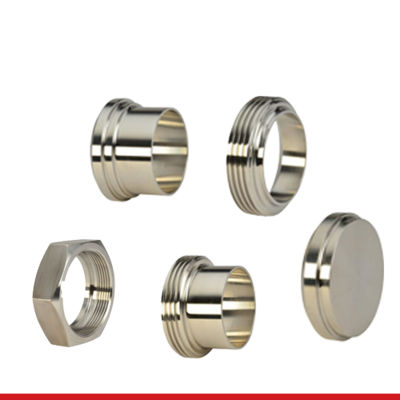
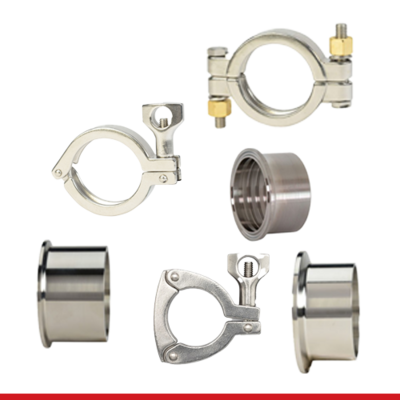
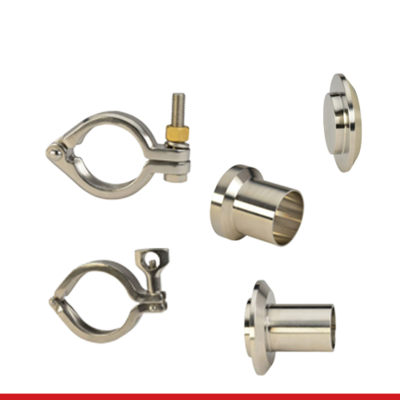
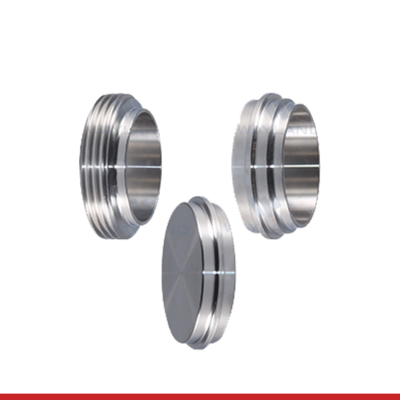
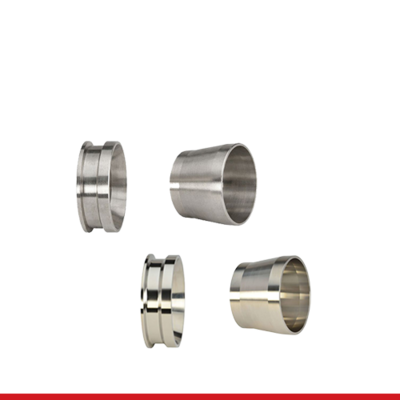
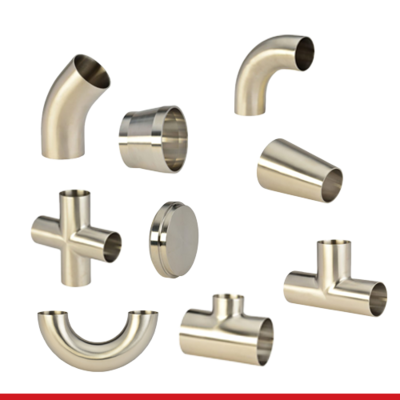
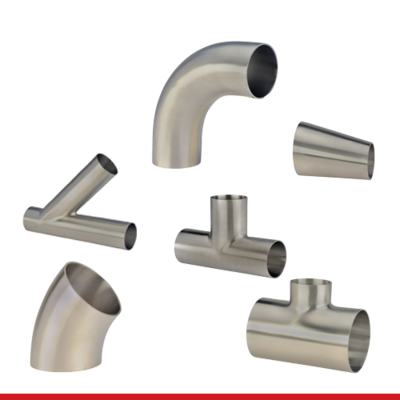
Welded tube fittings are engineered for permanent, high-integrity connections in stainless steel tube systems where absolute leak prevention, structural rigidity, and sanitary operation are essential. These fittings—ferrules, elbows, tees, and reducers—are welded directly to tube ends, forming a continuous metal structure with no threads, elastomer seals, or mechanical joints.
The welded design provides unmatched resistance to vibration, thermal cycling, pressure fluctuation, and corrosive chemical exposure. This makes welded fittings ideal for sanitary, high-purity, high-pressure, and long-service-life environments where mechanical fittings may not offer sufficient durability.
Engineers rely on welded tube fittings for fluid transport lines, chemical dosing systems, steam transfer lines, sanitary processing, and high-temperature/high-pressure networks. Fabricators appreciate the clean weld geometry, consistent bevel prep, and weld-friendly stainless metallurgy.
Makers and prototype builders utilize welded fittings for steam rigs, pressure experiments, welding practice, experimental reactors, and high-strength test platforms requiring solid metal continuity.